In 2026, minimalist furniture is moving beyond cold, empty interiors. It now supports warmth, comfort, and everyday living. The best rooms use fewer pieces, but each piece earns its place.
Learning how to incorporate minimalist furniture into a cozy home begins with balance. Choose a low-profile sofa in warm beige, soft gray, or muted olive. Add a wool throw, a textured rug, and one rounded wooden table. These details soften clean lines without creating visual clutter. Natural materials help, too. Oak, linen, cotton, rattan, and matte ceramics can make a simple room feel lived in.
Minimalist living expert Joshua Becker explains, “Minimalism is the intentional promotion of the things we most value in life by removing anything that distracts us from it.” His idea applies well to furniture selection. A slim console may replace several storage units. A built-in bench can provide seating and hidden storage. Nothing feels accidental.
Still, minimalism is not always easy. A nearly empty room can feel unfinished, especially when lighting is harsh. I have found that one oversized lamp or a misplaced chair can change the entire mood. That is worth reconsidering. Cozy design needs restraint, but it also needs evidence of real life.
This guide explores practical furniture choices, layered textures, gentle color, and flexible layouts. It also questions popular minimalist rules. A beautiful home should feel calm, not sterile. It should leave space for people, books, blankets, and imperfect moments.
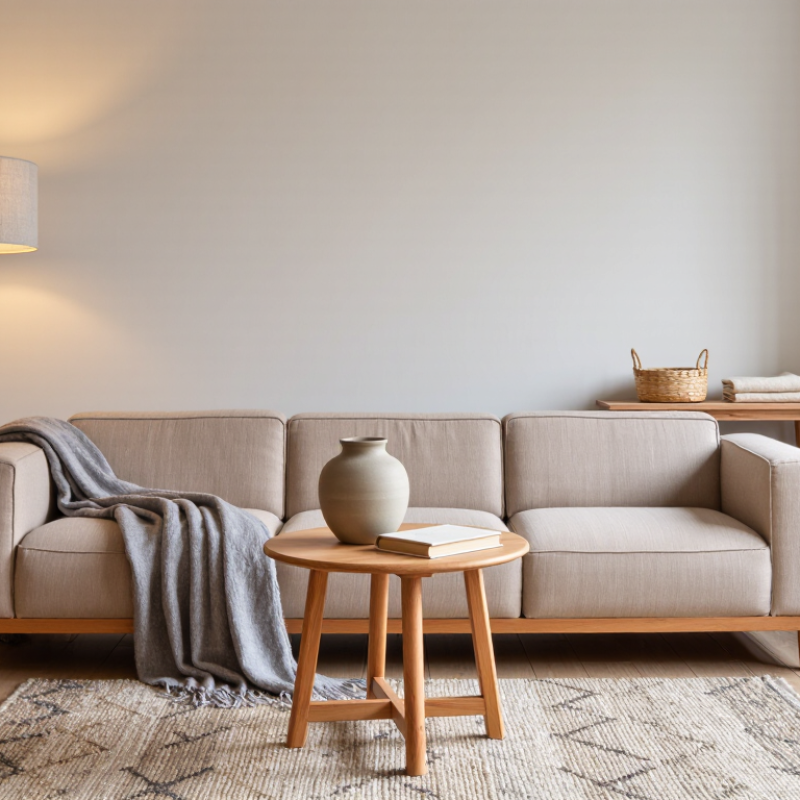
Minimalist furniture means choosing fewer, better-defined pieces for a cozy home. It does not mean empty rooms or hard, sterile surfaces. A low-profile sofa, slim wooden table, and one closed storage cabinet can create visual calm. Cozy comfort comes from texture, scale, and warm light. Think of linen cushions, a wool rug, and a reading lamp beside the chair. The furniture should leave breathing space around each object.
The Joint Center for Housing Studies reported that U.S. home improvement and maintenance spending reached about $472 billion in 2022. This figure shows how seriously homeowners invest in comfort, but it does not prove that minimalism suits everyone. The Global Wellness Institute valued the global wellness economy at $6.3 trillion in 2023. That trend supports calmer, less stressful interiors, although wellness cannot be created by furniture alone. Room layout, daylight, ventilation, and daily habits matter too.
In practice, start with movement. Leave clear space around the sofa and dining chairs. Select storage that hides cables, blankets, and small household items. Keep one visible object with personal meaning. Too many “meaningful” objects quickly become clutter. I have found that empty surfaces can feel peaceful in photographs but inconvenient during real mornings. A small tray near the entrance may look less pure, yet it can prevent keys from spreading across the room. Minimalist design works best when it serves ordinary routines, not just a carefully staged image.
Minimalist furniture works best when it solves daily problems without making a room feel bare. The National Association of Home Builders’ 2024 survey found that 86% of buyers consider a laundry room desirable or essential. That preference points to a broader lesson: practical storage matters. Choose a slim sideboard with closed doors, a sofa with washable covers, and a narrow bench near the entrance. Each piece should earn its space.
Comfort needs physical evidence. I look for sofas with supportive seat depth, rounded edges, and enough clearance for cleaning. A warm wool rug can soften hard flooring, while a small reading lamp creates a calmer corner. The Global Wellness Institute’s 2024 report valued the global wellness economy at 6.3 trillion dollars in 2023. This figure does not prove that minimalist furniture improves wellbeing. It does show growing interest in environments that support everyday comfort. That distinction matters.
Avoid making every object match. A room can become strangely sterile. Keep one imperfect wooden stool, a textured cushion, or a chair with visible grain. Use measurements before shopping: leave about 45 centimetres between a coffee table and sofa, when circulation allows. Store rarely used items out of sight, but keep daily objects reachable. My own mistake was choosing a beautiful low chair that became uncomfortable after ten minutes. Simplicity should reduce friction, not remove personality.
| Room | Functional Piece | Recommended Dimensions | Comfort Feature | Space-Saving Benefit | Material and Finish | Styling Approach | Practical Care |
|---|---|---|---|---|---|---|---|
| Living Room | Compact Upholstered Sofa | Width: 72–84 in Seat depth: 20–24 in Seat height: 17–19 in |
Medium-firm cushions, supportive back cushions, and soft removable covers. | Choose a raised base to maintain visual openness and make floor cleaning easier. | Durable woven upholstery with a solid wood or metal frame; use a warm neutral tone. | Place against the longest wall and add one textured throw instead of several decorative pillows. | Vacuum upholstery weekly and rotate loose cushions regularly to help maintain an even shape. |
| Living Room | Storage Ottoman | Length: 24–36 in Width: 18–24 in Height: 16–18 in |
Firm padded top that can function as a footrest or occasional seat. | Combines seating, foot support, and concealed storage in one compact piece. | Stain-resistant fabric or leather-look upholstery with a hinged or lift-off lid. | Keep the surface mostly clear so the room retains a calm, uncluttered appearance. | Use interior compartments for blankets, magazines, or remote controls. |
| Living Room | Round Nesting Coffee Tables | Large table diameter: 30–36 in Small table diameter: 20–28 in Height difference: 2–4 in |
Rounded edges reduce sharp corners in high-traffic areas. | Nesting surfaces can separate when extra serving space is needed and stack when not in use. | Solid wood, veneer, or powder-coated metal with a matte finish. | Leave approximately 16–18 in between the sofa and coffee table for comfortable movement. | Use coasters and wipe spills promptly to protect the finish. |
| Dining Area | Slimline Dining Table | Width: 32–36 in Dining height: about 28–30 in Length: 48–72 in |
Allow about 24 in of table edge per person for everyday dining. | A narrow rectangular top supports dining without occupying excessive floor depth. | Hard-wearing wood or laminate with a low-sheen protective coating. | Use armless chairs that can slide fully under the table after meals. | Maintain a clear passage of approximately 36 in around the table where possible. |
| Dining Area | Stackable Dining Chairs | Seat height: about 17–19 in Seat width: 17–20 in Stack height: 4–6 chairs |
A slightly contoured back and a properly supported seat improve everyday comfort. | Chairs can be stacked or stored in a nearby utility area when the dining zone is not in use. | Wood, molded material, or powder-coated metal with a washable seat surface. | Use one consistent chair shape to keep the room visually simple. | Check floor glides periodically to prevent scratches and uneven movement. |
| Bedroom | Platform Bed with Drawers | Mattress height from floor: about 18–24 in Clearance for storage: 8–12 in |
Provides stable mattress support without requiring a bulky box spring. | Under-bed drawers replace the need for a large dresser in smaller bedrooms. | Wood or wood-based panels with smooth drawer runners and a matte finish. | Pair with one simple bedside surface and keep the area beneath the bed visually organized. | Do not overfill drawers; leave enough clearance for smooth opening and ventilation. |
| Bedroom | Floating Bedside Shelf | Width: 16–24 in Depth: 10–14 in Top height: level with or slightly below the mattress |
Keeps essentials within reach without adding a bulky bedside cabinet. | Uses wall space and leaves the floor open, making a small bedroom feel less crowded. | Solid wood, plywood, or laminated board with concealed wall supports. | Limit the surface to a lamp, book, and small water glass for a restful appearance. | Install into suitable wall framing or approved anchors according to the wall type. |
| Entryway | Storage Bench | Width: 36–60 in Depth: 14–18 in Seat height: 17–19 in |
A padded seat provides a stable place to sit while putting on shoes. | Combines seating with shoe or accessory storage in a narrow footprint. | Wood frame with a removable cushion and ventilated compartments. | Position beneath hooks or a slim mirror to create a complete arrival zone without visual clutter. | Keep the storage limited to frequently used items and clean the entry floor regularly. |
| Home Office | Wall-Mounted Desk | Width: 36–60 in Depth: 20–24 in Working height: about 28–30 in |
Provide enough depth for the computer, keyboard, and comfortable wrist positioning. | Frees floor space and can be folded or visually integrated into a wall system. | Stable laminated wood or plywood with concealed brackets and a wipe-clean surface. | Use cable management and one closed storage compartment to preserve a calm backdrop. | Confirm the wall and mounting hardware can support the desk and its intended load. |
| Whole Home | Modular Closed Storage | Module width: 24–36 in Depth: 12–16 in for shallow storage Clearance: keep doors unobstructed |
Closed doors reduce visual noise while adjustable shelves support changing needs. | Vertical storage uses wall height rather than valuable floor area. | Wood, laminated board, or painted fiberboard with durable hinges and simple handles. | Group similar modules together and leave a small amount of open space for balance. | Anchor tall units where required and avoid storing heavy items on high shelves. |
Minimalist furniture works best when it supports movement, not when it simply fills an empty room. The 2024 Houzz & Home Study identifies improved functionality as a leading reason homeowners renovate. Apply that principle with a clear walking route of at least 30 inches between major pieces. Place a slim sofa facing the room’s natural focal point, then keep side tables close enough for daily use. Leave visual breathing space around each item. Too much emptiness can feel unfinished.
Warmth comes from proportion, texture, and useful light. The U.S. Environmental Protection Agency reports that people spend about 90% of their time indoors, making comfort a practical design concern. Pair one pale wood surface with woven fabric, a soft rug, and a low-glare lamp. Choose furniture with raised legs when the room feels crowded; visible flooring can make circulation seem easier. Rounded corners also soften narrow paths. It feels calmer.
My own mistake is treating minimalism like strict subtraction. A room without personal objects may look tidy but feel strangely temporary. Keep one reading chair near a window, with a small table and a blanket within reach. Test the arrangement for several days before deciding. Furniture should serve real habits, not staged photographs. Perhaps the best layout is slightly imperfect, but easy to live with.
Recommended clearances help minimalist furniture improve movement, visual balance, and warmth without overcrowding the room.
Keep the main walking path at about 90 cm, leave approximately 45 cm between a sofa and a coffee table, and maintain around 75 cm between dining chairs and nearby walls or furniture. These practical dimensions support comfortable circulation while preserving a calm, open layout.
A minimalist room feels warmer when its restraint is softened by texture, light, and color. Choose one simple sofa, then add a linen throw, a wool rug, and a woven basket. Unfinished oak, cane, and matte stone can create depth without visual clutter. Natural materials should invite touch. Avoid making every surface identical. The U.S. Environmental Protection Agency reports that indoor pollutant levels are often two to five times higher than outdoors. Ventilation and low-emission finishes therefore matter as much as visual calm.
Soft lighting should arrive in layers, not from one harsh ceiling fixture. Use a shaded floor lamp beside the sofa, a small table lamp near books, and indirect light behind a cabinet. The U.S. Department of Energy states that LED bulbs use at least 75% less energy than incandescent bulbs and last up to 25 times longer. Warm bulbs around 2700K usually flatter wood and skin tones. Too bright feels clinical.
Calming colors work best when they echo nearby textures. Try warm white walls, muted sage cushions, and a clay-colored ceramic piece. The Global Wellness Institute’s 2024 report valued the global wellness economy at 6.3 trillion dollars in 2023, reflecting strong interest in healthier everyday environments. Still, beige everywhere can feel unfinished. I sometimes over-layer natural materials and lose the room’s quietness. Leave one wall, shelf, or corner deliberately plain. That pause gives the furniture room to breathe.
A cozy minimalist home needs furniture that can change with daily life. Choose a slim storage bench for the entryway. It can hold shoes, blankets, or shopping bags. A nesting table works beside the sofa and moves easily when guests arrive. Keep walking paths open. This makes small rooms feel calmer and safer.
Flexible organization depends on simple routines. I use open baskets for items needed every day. Closed drawers hide less attractive objects, such as chargers and cleaning cloths.
Label only what often gets misplaced. Too many labels can make a room feel like an office. Leave some empty space inside each storage unit. Full containers quickly become difficult to manage.
Review the room every few weeks. Notice which furniture pieces support real habits. A beautiful side table may become a clutter station. That happened in my living room. Moving it beside the reading chair solved part of the problem, but not everything.
I still forget to return books. A small tray now limits the pile to three books. This approach keeps organization flexible without demanding perfection. Use warm lighting, textured fabrics, and one or two meaningful objects. These details add comfort without overwhelming the room.
Choose pieces that solve daily problems. Use a closed sideboard, washable sofa, and narrow entry bench. Each item should earn its space.
Look for supportive seat depth, rounded edges, and cleaning clearance. Add a wool rug and small reading lamp. Comfort needs evidence.
Leave about 45 centimetres when circulation allows. Measure before shopping. Open paths make small rooms feel calmer.
Layer linen, wool, woven baskets, unfinished wood, and matte stone. Do not match every surface. Keep one imperfect stool or visible wood grain.
Use several soft sources instead of one harsh ceiling light. Try a shaded floor lamp, table lamp, and indirect cabinet lighting. Warm light feels gentler.
Try warm white walls, muted sage cushions, and one clay-colored object. Beige everywhere may feel unfinished. Leave one wall deliberately plain.
Indoor pollutants can exceed outdoor levels. Ventilate regularly and choose low-emission finishes. Visual calm does not guarantee healthier air.
Keep daily items in open baskets. Hide chargers and cleaning cloths inside drawers. Leave empty space in containers. Full storage becomes difficult quickly.
Review the room every few weeks. Move a side table if it collects clutter. A small tray can limit books to three. It is imperfect, but useful.
Creating a cozy home with minimalist furniture begins with choosing simplicity without sacrificing comfort. Minimalist furniture should have clean lines, practical functions, and a sense of visual calm, while still offering supportive seating, useful storage, and inviting proportions. To understand how to incorporate minimalist furniture into a cozy home, consider each piece’s purpose and how it contributes to the room’s movement, balance, and warmth. Arrange furniture with enough open space to improve flow, while grouping seating in a way that encourages relaxation and conversation.
Warmth can be added through natural textures such as wood, cotton, wool, and woven materials, along with soft lighting and calming colors. Instead of filling every corner, select a few meaningful decorative items and keep surfaces uncluttered. Flexible organization, including movable storage and adaptable layouts, makes it easier to maintain both order and comfort as daily needs change. The result is a peaceful, functional home that feels welcoming rather than bare.
