Why You Should Anchor Heavy Furniture to the Wall For Safety?

Time:2026-08-07 Author:Liam
0%

Securing heavy furniture to the wall is a critical safety measure for modern households. According to the Consumer Product Safety Commission (CPSC), over 25,000 injuries involving tipped furniture occur annually in the United States. These incidents often affect children who climb or pull on unstable furniture. Safety expert Dr. Emily R. Jones emphasizes the importance of this practice, stating, "Anchoring heavy furniture can significantly reduce the risk of tragic accidents."

The push for anchoring furniture stems from alarming statistics. A report from the American Academy of Pediatrics reveals that furniture tip-over incidents can lead to severe injuries, sometimes resulting in fatalities. As living spaces become more sophisticated, the risk increases without proper precautions. Many homeowners overlook this vital safety step.

When it comes to safety, complacency can be dangerous. Families may believe their furniture is stable, yet unforeseen events can lead to disaster. The question remains clear: why should you anchor heavy furniture to the wall? The answer lies not only in protecting your possessions but, more importantly, in safeguarding your loved ones. Taking this simple action can create a significant impact, promoting a safer living environment for everyone.
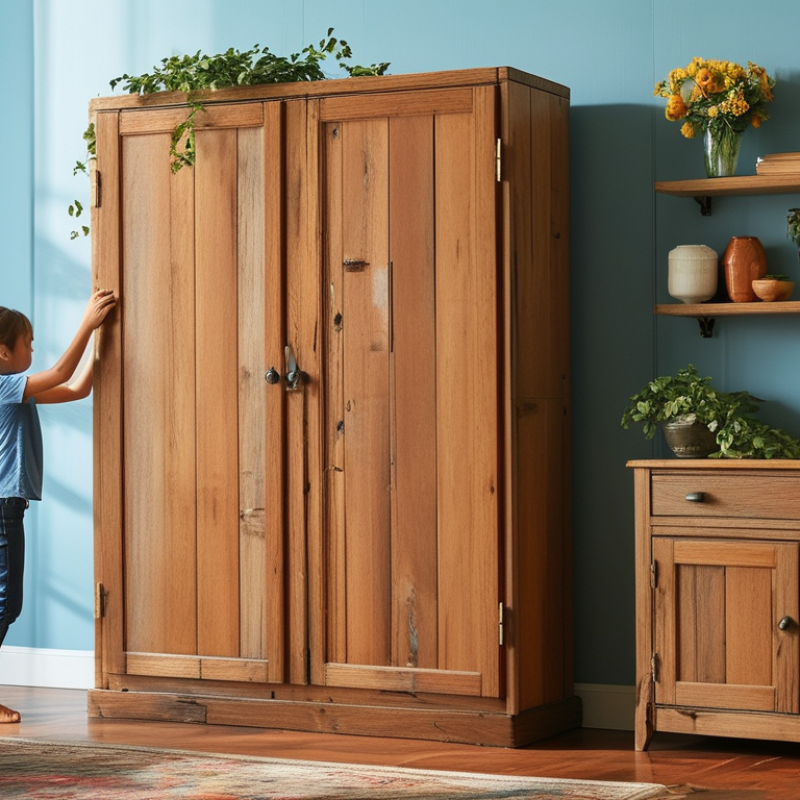
Why You Should Anchor Heavy Furniture to the Wall For Safety?

Understanding the Risks of Unsecured Furniture

Unsecured furniture poses significant risks, especially in homes with children. According to the U.S. Consumer Product Safety Commission, over 25,000 injuries occur each year due to tipping furniture. Many of these accidents can be prevented by anchoring heavy items to the wall. This simple step can save lives.

Heavy dressers, bookshelves, and entertainment centers can become dangerously unstable. In a mere second, a child can pull on a drawer or climb a shelf, leading to a tipping risk. A staggering 91% of parents surveyed admit their children play near furniture. This indicates a pressing need for awareness and proactive measures.

The risk extends beyond homes. In educational settings, unsecured furniture has led to serious incidents. A study by the American Academy of Pediatrics highlights that furniture tip-overs contributed to numerous emergency room visits. These statistics reflect a broader issue of safety that cannot be overlooked. Ensuring that furniture is anchored provides peace of mind and prevents avoidable accidents.

Furniture Tip-Over Risks by Age Group

Understanding the risks of unsecured furniture is crucial for safety, particularly in homes with children. This chart illustrates the annual rate of tip-over injuries by age group, highlighting the increased risks for younger children. Anchoring heavy furniture to the wall can significantly reduce these risks.

The Importance of Wall Anchors for Heavy Furniture

When it comes to heavy furniture, securing it is essential for safety. According to the U.S. Consumer Product Safety Commission, over 25,000 injuries occur annually due to furniture tipping over. Wall anchors play a critical role in preventing these accidents. They stabilize large items like dressers and bookshelves, reducing the risk of them toppling over.

The effectiveness of wall anchors lies in their design. They can hold significant weight, ensuring that bulky furniture remains upright during unexpected incidents. Moreover, regular inspections of these anchors can reveal wear or damage, promoting safety. As families grow, many may overlook the need to secure their furniture after rearranging a room.

Tips for safe anchoring include using multiple anchors for very heavy pieces. Always follow the manufacturer’s instructions for installation. Ensure that the anchors are properly secured to wall studs, not just drywall. This provides better support. Regularly check that the furniture remains anchored, especially after a move or renovation. Ensuring safety should always be a priority, yet many may neglect this simple but crucial step. Remember, prevention can make all the difference.

Methods for Safely Anchoring Furniture to Walls

Anchoring heavy furniture to the wall is crucial for safety, especially in homes with children and pets. Many accidents happen when tall furniture tips over. This can lead to serious injuries. Therefore, taking preventive measures is essential.

One effective method for anchoring furniture involves using L-brackets or cable straps. These tools are easy to install. They connect the furniture to the wall securely. Position the bracket at the top of the furniture to ensure maximum stability. Always use a stud finder to locate the best spots in the wall. This ensures a solid anchor point.

Tips: Always measure twice before drilling. It’s easy to make mistakes when anchoring heavy items. A level can help ensure your furniture stands straight. Keep in mind that not all walls are created equal. If you have drywall, make sure to use appropriate anchors to avoid damage. Remember, your safety should come first.

Another method involves using furniture stores' safety kits. Many come with brackets specifically designed for bookcases and dressers. These kits often include all necessary hardware. However, always check the instructions carefully. Sometimes, the included tools aren’t sufficient for heavier items. Reflect on your home dynamics. Ask yourself if you really need to secure every piece of furniture. Knowing what to anchor makes a difference.

Choosing the Right Wall Anchors for Your Furniture

When it comes to securing heavy furniture, the selection of wall anchors is crucial. For safety, choose anchors that match the specific weight of your furniture. Common options include toggle bolts, molly bolts, and screw-in anchors. Each type has its strengths. Toggle bolts are strong and good for drywall, while screw-in anchors work well for stud-mounted furniture.

Consider the wall material too. Wood studs provide a reliable anchor point, while hollow walls require specialized tools. Some anchors may not hold up well under heavy stress. It’s essential to read guidelines about weight limits. A detailed installation process can prevent future accidents.

While installing, double-check your measurements. Misplacing a hole can weaken the anchor's grip. Always have a level on hand to ensure the furniture sits correctly. Small mistakes in this step can lead to larger issues later. Safety should never be overlooked, especially with children or pets around. Anchoring heavy furniture creates a secure environment for everyone.

Why You Should Anchor Heavy Furniture to the Wall For Safety

Furniture Type Recommended Anchor Type Weight Capacity (lbs) Installation Difficulty
Bookshelves Metal Wall Straps 200 Medium
Television Stands Toggle Bolt Anchors 150 Hard
Dressers L-Bracket Anchors 350 Easy
Bookcases Wall Stud Screws 200 Medium
Cabinets Expansion Anchors 500 Hard

Preventing Accidents: Best Practices for Furniture Safety

Heavy furniture can pose serious safety risks, especially in homes with children. According to the U.S. Consumer Product Safety Commission, tip-over incidents lead to approximately 26,000 injuries annually. These injuries often occur when furniture falls over due to a child climbing or pulling on it. Anchoring large items, like dressers and bookshelves, to the wall significantly reduces these risks. A simple bracket or strap can prevent accidents that might otherwise cause severe injuries.

Statistics indicate that most tip-over incidents happen with furniture that is not anchored. It's crucial to follow best practices for furniture safety. This includes ensuring that heavy items are placed at the bottom of bookshelves. Furthermore, keeping lighter items at the top can minimize the risk of tipping. Regularly inspecting furniture for stability is also recommended. Many homeowners overlook these checks, believing that their furniture is secure. However, even minor adjustments in room layout can destabilize previously safe arrangements.

Parents should engage children in discussions about safety around furniture. Teaching them about the risks involved can create awareness. Consideration of furniture placement is essential. Placing heavy furniture away from play areas and ensuring they are anchored creates a safer environment. Small changes make a big difference in preventing accidents and injuries in any home.

FAQS

: Why is it important to secure heavy furniture?

: Securing heavy furniture prevents injuries from tipping accidents, which cause over 25,000 incidents annually.

What are wall anchors?

Wall anchors stabilize heavy furniture, keeping items like dressers and bookshelves upright during unexpected incidents.

How do I choose the right anchors for my furniture?

Select anchors that match your furniture's weight and consider your wall material before installation.

What types of anchors are recommended?

Common types include toggle bolts, molly bolts, and screw-in anchors, each suited for different wall conditions.

How often should I check my furniture anchors?

Regularly inspect your anchors after moves or changes. Look for wear or damage that could affect safety.

What mistakes should I avoid during installation?

Ensure accurate measurements and confirm that anchors are secured to the right wall structure for stability.

How can I make furniture safer around kids?

Teach children about the dangers of climbing on furniture and arrange items to minimize risk.

What is a common oversight in furniture safety?

Many homeowners fail to regularly check furniture stability, believing it's secure when it may not be.

How can I reduce the risk of furniture tipping?

Place heavy items at the bottom of shelves and keep lighter items on top to maintain balance.

What’s a quick tip for maintaining furniture safety?

Frequently review furniture placement and ensure anchors are in place, especially after reorganizing a room.

Conclusion

Securing heavy furniture to the wall is a crucial safety measure that can prevent accidents, especially in households with children or pets. This article explores why should you anchor heavy furniture to the wall, emphasizing the risks associated with unsecured items that can tip over and cause injury. By understanding these dangers, homeowners can take proactive steps to mitigate hazards through effective anchoring methods.

Using the right wall anchors and adhering to best practices for furniture safety ensures that heavy pieces remain stable, offering peace of mind. The article outlines various techniques for safely anchoring furniture to walls and helps readers choose appropriate anchors for their specific pieces. Ultimately, prioritizing furniture safety not only protects loved ones but also enhances the overall security of the living environment.

Liam

Liam

Liam is a dedicated marketing professional with a profound expertise in the industry, where he excels at highlighting the unique advantages of our core products. With a keen understanding of market trends and consumer needs, Liam frequently updates our company’s professional blog, providing......