Arranging living room furniture in a small space can be a challenging task. Limited square footage often means making tough choices about layout and functionality. You may feel overwhelmed, especially if you've never tackled this before. However, with the right guidance, you can create a cozy and inviting environment.
Consider how to arrange living room furniture in a small space that meets your needs. Start by focusing on key elements like seating and storage. Think about multifunctional furniture that can serve more than one purpose. A coffee table with hidden storage can be a lifesaver. Don’t shy away from experimenting with different arrangements. Sometimes, the first try may not feel right, and that’s okay.
Pay attention to the flow of the room. Walk through different setups to see what feels natural. You might need to shift things around multiple times. It’s all part of the process. With patience and creativity, you can transform your small living area into a functional and stylish retreat.
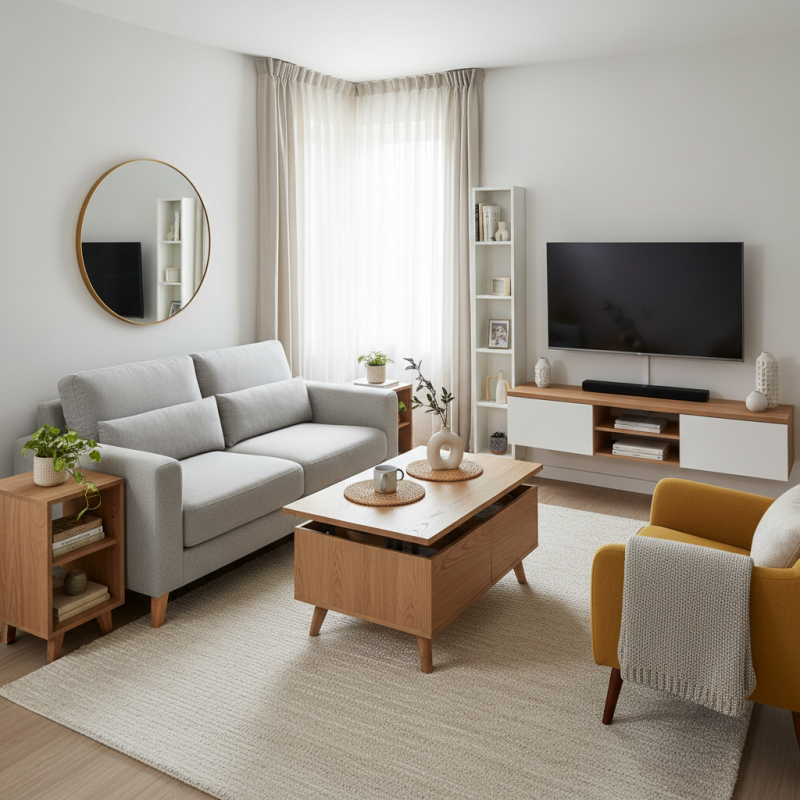
When designing a small living room, identifying the essential furniture pieces is crucial. A sofa, coffee table, and multi-functional storage options are fundamental. According to the National Association of Home Builders, more than 60% of homeowners prioritize space efficiency. Choosing the right size and style of sofa can create a cozy feel without overwhelming the room. A lightweight coffee table can be easily moved, enhancing the room's functionality.
Tips: Opt for a sectional sofa over a traditional one. Sectionals provide more seating without taking up excessive space. Consider using ottomans instead of bulky chairs. They can be used as footrests or extra seating when needed.
Lighting also plays a key role in small spaces. Wall-mounted lamps can save floor space and create ambiance. According to a study by the American Lighting Association, proper lighting can make a small room seem larger. Use mirrors strategically to reflect light and give an illusion of depth. Small decorative items can add personality but risk clutter. It’s a delicate balance that requires reflection to achieve harmony in your small living room.
In small living spaces, maximizing function is essential. Multi-functional furniture can transform an area dramatically. According to a report by the American Institute of Architects, 78% of homeowners prioritize flexibility in their furniture choices. This trend emphasizes the importance of adaptability, especially in compact environments.
Consider a sofa bed. It serves as a comfortable seating option during the day. At night, it effortlessly converts into a bed for guests. Similarly, ottomans with storage capabilities double as footrests and organizers. These solutions not only save space but also reduce clutter. Data from the National Association of Home Builders shows that small spaces are more common, necessitating innovative furniture solutions.
Selecting the right furniture requires careful thought. Not every piece will be fit for purpose. In some cases, a desk might be too large or a chair too bulky. Reflecting on the space can help identify what truly meets your needs. Flexibility is valuable, but careful selection will prevent overcrowding. In the end, a well-arranged small living room should promote comfort and functionality without feeling cramped.
Creating a focal point in your small living room is essential for both style and functionality. It can be a beautiful artwork, a cozy fireplace, or a striking piece of furniture. Once you identify this focal feature, arrange your furniture to highlight it. Position your sofa directly facing the focus. This sets a natural flow in the space and invites conversation.
Consider the scale of your furniture. In a small space, oversized pieces can overwhelm the room. Choose a smaller, stylish coffee table that allows for easy navigation. Add a couple of accent chairs that complement your sofa without blocking sightlines. When seats are spaced appropriately, the room feels larger and more open.
Lighting plays a crucial role as well. A well-placed lamp can enhance the focal area. Use soft lighting to create a warm atmosphere. Mirrors can also be effective. They reflect light and make the space feel airier. Be mindful of clutter; an overstuffed room can detract from your focal point. Aim for a balance that feels lived-in yet organized.
In a small living room, maximizing vertical space is essential for both storage and decor. Wall shelves can make a significant difference. They draw the eye upward, creating an illusion of height. Choose shelves that fit your style and can hold books, plants, or art.
Consider using taller furniture pieces. A tall bookcase or a slim cabinet doesn't take much floor space but provides ample storage. These items can help keep essentials out of sight, which makes the room feel more open.
Don't overlook wall-mounted hooks or pegboards. They can hang bags and hats. This simple solution frees up surface areas. Even decorative items can be hung for added flair. Always think about functionality in your decor. Balancing form and function can lead to a stylish, efficient living space.
| Tip | Description | Example |
|---|---|---|
| Use Multi-Functional Furniture | Choose furniture that serves multiple purposes, like a sofa bed or ottoman with storage. | Sofa that converts to a bed for guests. |
| Consider Vertical Storage | Use tall bookshelves and wall-mounted shelving to maximize floor space. | Bookcase reaching to the ceiling with decorative items displayed on top. |
| Create a Focal Point | Arrange furniture around a central piece to draw the eye and organize the space. | A large piece of art or a modern coffee table as the centerpiece. |
| Opt for Light Colors | Choose lighter shades for walls and furniture to make the space feel larger. | Soft gray or beige for walls, complemented by a white sofa. |
| Keep Pathways Clear | Arrange seating to ensure easy movement throughout the room without clutter. | Sofa positioned parallel to walls with side chairs angled for access. |
In a small living room, accessories can enhance your style without creating clutter. Choosing the right items is crucial. Opt for multifunctional pieces, like a storage ottoman. It adds seating and neatly stores blankets or books. A slim console table can serve as a display area for decorative items while keeping the floor space open.
Incorporating wall art is another effective strategy. Use a gallery wall to showcase your taste. Choose frames that complement each other, but avoid being overly matchy. This adds character but requires balance. Too many small pieces can overwhelm the space.
Lighting plays a key role as well. Instead of bulky lamps, consider wall-mounted sconces. They illuminate the room without taking up valuable surface space. A few well-chosen decorative items can bring warmth. Flowers in a vase or a textured throw can be enough. Reflecting on what you truly love helps prevent over-cluttering. Adjust your accessory choices until they match your desired aesthetic.
: A focal point enhances both style and functionality. It draws attention and invites conversation.
Position the sofa directly facing the focal feature. This promotes a natural flow in the space.
In small spaces, oversized furniture can overwhelm. Select smaller, stylish pieces for better navigation.
Well-placed lamps can highlight the focal area. Soft lighting creates warmth and intimacy.
Mirrors reflect light and create an airy feel. They can visually expand the room.
Choose multifunctional items like storage ottomans. They provide extra seating without clutter.
Create a gallery wall with complementary frames. Avoid too many small pieces to prevent overwhelm.
Use wall-mounted sconces instead of bulky lamps. They save surface space while illuminating the room.
Focus on what you truly love. Adjust your accessories to maintain balance and style.
Balance is key. Aim for a cozy atmosphere while keeping the space neat and uncluttered.
When it comes to how to arrange living room furniture in a small space, the key is to prioritize essential furniture pieces that meet both functional and aesthetic needs. Start by identifying multipurpose items, such as a sofa bed or an ottoman that doubles as storage, to maximize the limited area. Creating a focal point is essential; arrange your furniture to highlight a specific area, whether it's a piece of art, a fireplace, or a window view, which can enhance the overall flow of the room.
Additionally, utilizing vertical space can be a game-changer for storage and decor. Incorporate shelves or tall bookcases to draw the eye upward, making the room feel more spacious. Finally, accessorizing with style while avoiding clutter is crucial; choose decorative items that add character without overwhelming the space. Following these tips can lead to a well-organized and inviting small living room.
