Choosing the right desk height for ergonomic posture is crucial in today's workplace. Research shows that poor desk ergonomics can lead to significant health issues. A report by the Occupational Safety and Health Administration (OSHA) highlights that ergonomic-related disorders cost companies billions annually. Additionally, studies claim that 75% of office workers experience discomfort due to inadequate desk setups.
When determining the optimal desk height, it is vital to consider individual measurements. The elbow should rest at a 90-degree angle when typing. A desk too low can strain the shoulders, while a desk too high can lead to wrist discomfort. Adjustability is key; adjustable desks allow users to customize height based on their needs.
Many people overlook the importance of chair height and monitor placement in relation to desk height. A desk height that works for one person might not suit another. Employers who provide ergonomic assessments report a noticeable increase in productivity and employee satisfaction. This reinforces the need to focus on finding the right desk height for every individual. Reflection on personal comfort levels while working is essential in creating a healthier workspace.
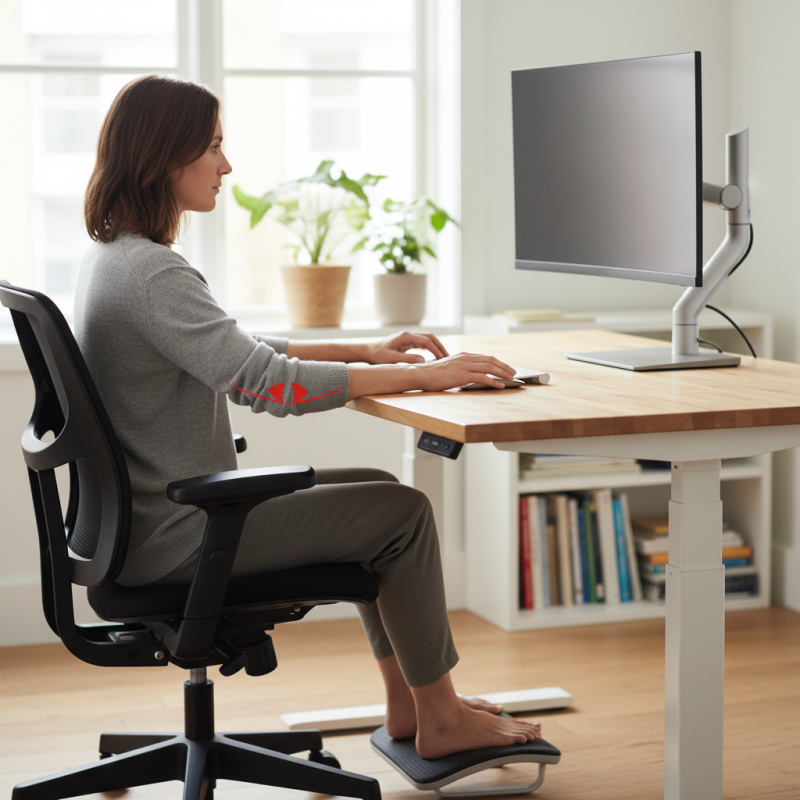
Ergonomic posture plays a crucial role in workplace health. The right desk height can prevent musculoskeletal disorders. According to a report by the Occupational Safety and Health Administration (OSHA), over 30 percent of workplace injuries are related to poor ergonomic practices. A well-adjusted desk height can significantly reduce these risks.
The ideal desk height varies depending on the user’s height. For example, a desk height of 28 to 30 inches suits most people between 5'8" and 6'0". Lower desks may lead to uncomfortable slumping. Conversely, a height too high may cause shoulder strain. Research from the Center for Disease Control and Prevention (CDC) indicates prolonged poor posture can result in chronic pain over time.
Employees should also consider ergonomic accessories. A footrest can help achieve better posture. Furthermore, ensuring monitors are at eye level reduces neck strain. Continuous assessment is necessary, as individual comfort levels change. Adjustments may be needed to maintain an ergonomic workspace. The ideal setup is a dynamic one, adapting to the user's needs.
This bar chart illustrates the optimal desk heights recommended for different user heights to maintain ergonomic posture.
Choosing the right desk height is crucial for promoting ergonomic posture. A desk that is too high or too low can lead to discomfort and long-term health issues. It is essential to consider your personal height and chair type when selecting a desk.
One method to gauge the correct height is by sitting comfortably in your chair. Your elbows should be at a 90-degree angle when typing. This position reduces strain on your shoulders and wrists. Measure from the ground to your elbow to determine the ideal desk height for you. Additionally, consider the desk's surface material. A smooth surface can facilitate easier movement of your arms.
Another factor is the type of work you do. If you create large documents or use multiple screens, your desk's height should accommodate those needs. Test various heights to find what feels best. Pay attention to how your back and neck feel during tasks. Frequent discomfort might indicate the desk is too high or low. Adjust your workspace as necessary, and remember that comfort should always take precedence.
Choosing the right desk height is crucial for maintaining ergonomic posture. Different body types require different adjustments. A standard desk height of about 28 to 30 inches suits most people. However, that might not be ideal for everyone.
Individuals with shorter heights often struggle with standard desks. Their feet may dangle, causing discomfort. A desk that is too high forces them to hunch over, leading to back pain. An adjustable desk can provide a solution. It allows users to find a height that promotes a neutral wrist position and aligns their eyes with the computer screen.
On the other hand, taller individuals may experience issues with typical desk heights. They may feel cramped or have their forearms angled awkwardly. In this case, raising the desk or using a footrest can alleviate strain. Everyone’s body is unique, and adjusting workstation height requires attention. Take time to observe how your body feels during work hours. Not all solutions work perfectly, and finding what feels best is an ongoing process.
| Body Type | Recommended Desk Height (inches) | Comments |
|---|---|---|
| Short (5'0" - 5'4") | 24 - 27 | Consider adjustable chairs for comfort |
| Average (5'5" - 5'9") | 28 - 30 | Standard desk heights work well |
| Tall (5'10" - 6'2") | 31 - 34 | Consider standing desks for flexibility |
| Very Tall (6'3" and above) | 35 and up | Ensure ample legroom under the desk |
Adjustable desks have gained popularity as essential tools for creating ergonomic workstations. These desks allow users to switch between sitting and standing positions. This flexibility can significantly reduce the risk of back pain and fatigue often associated with prolonged sitting. When the desk height is correctly adjusted, it promotes better posture, which supports overall health.
However, not everyone knows how to find their ideal desk height. A common recommendation suggests that the elbows should remain at a 90-degree angle when typing. This can be challenging for some, as individual body shapes and heights vary. It may take time to experiment with different heights to find what feels best.
Despite the benefits, there are drawbacks to consider. Constantly transitioning from sitting to standing may lead to discomfort if done too rapidly. Staying alert to these changes is crucial. Ultimately, using an adjustable desk requires mindfulness and ongoing adjustments to ensure your workspace remains ergonomic and comfortable.
Maintaining an ergonomic posture while working is crucial for long-term health. Studies indicate that approximately 80% of adults experience back pain at some point. An ergonomic desk setup can significantly reduce discomfort. The ideal desk height varies depending on individual height but should generally allow elbows to rest at a 90-degree angle. A desk that is too high or too low can lead to strain on muscles and joints.
One tip for maintaining proper posture is to adjust your chair height to support your feet flat on the ground. Use a footrest if necessary. The screen should be eye-level to avoid neck strain. According to research from the Occupational Safety and Health Administration (OSHA), proper workstation setup can decrease job-related injuries by up to 30%. Taking breaks to stretch can also help alleviate tension.
Pay attention to your arm positioning; they should hang comfortably at your sides. Keep your wrists straight while typing to avoid strain. It’s easy to fall into bad habits, especially when focused on work. Regularly check your posture and adjust as needed. Reflect on your habits and make small changes to enhance your workspace.
: Ergonomic posture prevents musculoskeletal disorders and promotes workplace health. It reduces injury risk.
The right desk height supports better posture. Too high or too low can lead to strain and discomfort.
Generally, a height of 28 to 30 inches suits people between 5'8" and 6'0". Adjust based on individual comfort.
Adjustable desks allow users to alternate between sitting and standing, reducing fatigue and back pain risk.
Adjust chair height for flat feet. Ensure monitors are eye-level. Regularly check your arm and wrist positions.
Take your time. As you adjust, pay attention to your body. Rapid changes may lead to discomfort.
Accessories like footrests can enhance posture, while proper monitor height reduces neck strain. Regular adjustments are key.
Continuously assess your comfort. Individual needs change, and small adjustments can greatly improve ergonomics.
Yes, many fall into bad habits when focused. Regularly check and reflect on your posture for improvements.
Taking breaks to stretch reduces tension and promotes circulation, enhancing overall comfort during work.
Choosing the right desk height for ergonomic posture is crucial for maintaining comfort and reducing the risk of musculoskeletal issues. Understanding the principles of ergonomic posture helps individuals appreciate how an appropriate desk height can impact their overall health and productivity. When determining desk height, factors such as body type, chair height, and workspace layout must be considered.
For optimal results, it's essential to know that different body types may require different desk heights; thus, adjustable desks can provide significant benefits by accommodating these variations. Additionally, maintaining an ergonomic posture while working is vital. Simple tips, such as adjusting your chair properly and positioning your monitor at eye level, can enhance comfort and efficiency. By focusing on these aspects, one can effectively answer the question of how to choose the right desk height for ergonomic posture and create a conducive work environment.
