Choosing the right furniture for commercial spaces is crucial. Businesses need to align aesthetics with functionality. This is where contract grade furniture comes into play. Why is contract grade furniture required for commercial spaces? It provides durability that standard furniture cannot match.
Commercial environments see heavy traffic. Furniture is often subjected to wear and tear. Contract grade options are designed for such conditions. They are made from high-quality materials that withstand daily use. Businesses investing in contract grade furniture find long-term savings.
Selecting the right pieces can be challenging. Not every attractive piece meets the necessary standards. Some options may look good but fall short in durability. It's essential to strike a balance between style and practical needs. Reflecting on these aspects can guide you in making informed decisions.
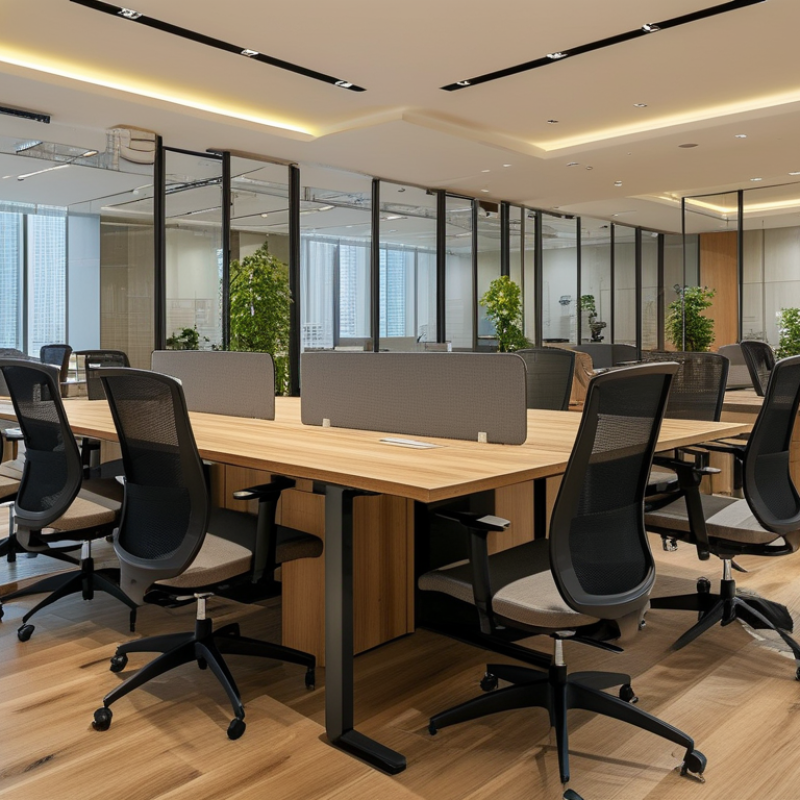
Contract grade furniture plays a crucial role in commercial spaces. It differs from residential furniture in several ways. Designed for durability, it can withstand heavy use and foot traffic. This is essential in environments like hotels, offices, and restaurants. These pieces are often made from high-quality materials to ensure long-lasting performance.
Selecting contract grade furniture is not just about choosing pretty items. Functionality and aesthetics must go hand in hand. Consider how the furniture will be used daily. Chairs should be comfortable for extended seating. Tables need stability and easy maintenance. Reflecting on the space's overall design is key. Balance style with practicality.
Understanding the importance of contract grade furniture can guide better decisions. Evaluate safety standards and warranty options. Look for pieces that meet industry regulations. This can prevent future issues, like costly replacements. By focusing on quality and resilience, businesses can create inviting spaces that reflect their brand's values.
When choosing contract grade furniture for commercial spaces, it’s essential to identify key features that ensure durability and functionality. High-quality contract grade furniture often uses materials specifically designed to withstand heavy use. Look for fabrics that are stain-resistant and easy to clean. The cushions should be made from high-density foam to provide support over time, preventing flattening and wear.
Another critical aspect is the construction. Solid wood frames or high-grade metal bases can significantly increase longevity. Check for reinforced joints and quality finishes that resist scratches and chipping.
Aesthetic appeal matters too. The design should blend with the commercial space's purpose while maintaining a professional look. Yet, it’s easy to overlook colors that might fade quickly in bright light or environments with heavy foot traffic.
Lastly, consider the warranty and maintenance requirements. Reliable manufacturers often provide substantial warranties, reflecting their confidence in the product's quality. However, it’s worth noting that not all warranties cover every scenario. Reflect on your needs and the expected wear and tear to make an informed choice. Striking a balance between style and durability can be challenging, but being mindful of these elements will lead to better decisions.
When selecting contract grade furniture for commercial spaces, durability is paramount. Commercial furniture experiences heavy usage. Therefore, it must withstand daily wear and tear. High-density foam cushions, reinforced frames, and robust materials are crucial. These features often determine how long the furniture lasts.
Tips: Consider the expected foot traffic. More traffic usually means quicker deterioration. Choose materials that resist stains and scratches. Upholstery that is easy to clean can maintain its appearance longer.
Maintenance is equally important. Regular upkeep prevents small issues from becoming major problems. Simple cleaning routines help sustain furniture quality. However, some items may require more intensive care. Understanding specific maintenance needs guides better choices.
Tips: Review manufacturers' care instructions before purchasing. This helps estimate long-term time and cost commitments. Periodic inspections can catch damage early, saving money later.
When selecting contract grade furniture for commercial spaces, aesthetic appeal and functionality must go hand in hand. Consider the overall design of your space. Choose colors and materials that resonate with your brand identity. A coffee shop might benefit from warm tones and soft fabrics, while an office could favor sleek metals and neutral colors. Use samples to visualize how different pieces will look together. This process often reveals unexpected combinations that can enhance your interior’s beauty.
Functionality is equally important. Assess the expected usage for each piece. Will the furniture be subject to heavy wear? If so, opt for durable materials that are easy to clean. Comfort is also a factor you should not overlook. For instance, a chair may look great but could be uncomfortable for extended use.
It's crucial to strike a balance between style and usability. Remember that practicality should not sacrifice visual appeal. Explore options that accomplish both goals, even if it means making difficult trade-offs.
Budgeting for contract grade furniture can be complex. Understanding your financial limits is key. Assess your overall budget first. Remember, quality often comes with a higher price tag. Analyze the costs associated with procurement, including shipping and installation. These can quickly add up, affecting your total expenditure.
Consider the lifespan of the furniture. While cheaper options may save money initially, they often lack durability. Investing in sturdier options means fewer replacements down the line. This approach can ultimately be more cost-effective. Keep warranty and maintenance in mind. Reliable furniture should come with strong guarantees.
Additionally, explore different sourcing options. Local suppliers might offer competitive pricing without high shipping fees. Online retailers can have appealing deals but watch for hidden costs. Compare different vendors and their offerings. It’s essential to ensure that the selected furniture meets your space's aesthetic and functional needs while being mindful of your budget constraints. Reflect on these factors to make smarter purchasing decisions.
| Category | Material | Average Cost per Unit | Durability Rating (Years) | Maintenance Frequency (Months) |
|---|---|---|---|---|
| Chairs | High-Density Foam, Upholstery | $150 | 10 | 6 |
| Tables | Solid Wood, Laminate | $300 | 15 | 12 |
| Sofas | Leather, Metal Frame | $800 | 12 | 9 |
| Desks | MDF, Powder Coating | $400 | 10 | 12 |
| Cabinets | Plywood, Melamine | $250 | 8 | 10 |
: Focus on durability first. Look for high-density foam, reinforced frames, and robust materials.
Higher foot traffic leads to faster wear. Choose materials that resist stains and scratches for better longevity.
Regular maintenance prevents small issues from growing. Easy cleaning routines can help sustain overall furniture quality.
Review care instructions before buying. This helps you understand long-term maintenance and costs involved.
Consider your space design. Colors and materials should reflect your brand identity and create a cohesive look.
Assess usage needs. Choose durable, comfortable items while maintaining a pleasing design. Sometimes trade-offs are necessary.
Use samples to visualize different pieces together. This can reveal unexpected combinations that enhance your space's beauty.
Yes, comfort matters. A stylish piece can be uncomfortable for long use, which can impact customer experience.
Inspections can catch damage early. This proactive approach saves money on repairs and extends furniture life.
Yes, finding the right balance between style, durability, and comfort can be difficult but essential for satisfaction.
Choosing the right furniture for commercial spaces is crucial, and understanding why contract grade furniture is required for these environments is essential. Contract grade furniture is specifically designed to withstand the rigorous demands of public use, making it a vital investment for businesses looking to maintain both durability and aesthetics. This type of furniture features superior materials and craftsmanship, ensuring that it meets high standards of quality and longevity, which is particularly important in high-traffic areas.
When assessing contract grade options, it's important to identify key features such as durability, maintenance requirements, and aesthetic appeal. Additionally, functionality plays a significant role in selecting the right pieces that align with the space's purpose. Budgeting for contract grade furniture also requires careful consideration, as the initial investment can lead to long-term savings due to reduced wear and tear. Ultimately, understanding these factors will help businesses create inviting and resilient environments that foster productivity and satisfaction.
