When it comes to decorating your dining room, choosing the right rug can make a significant impact. A well-selected rug brings warmth and character to the space. It also defines the dining area, making it feel inviting. However, many face challenges when deciding how to choose the right rug size for a dining room.
Understanding the dimensions of your table and chairs is crucial. Ideally, the rug should extend beyond the furniture to prevent it from feeling cramped. Many people underestimate this aspect. A rug that is too small can disrupt the room's flow. Consider your dining habits as well. If you frequently entertain guests, a larger rug may offer comfort to everyone seated.
It’s also essential to reflect on your room's overall layout. Rugs can visually manipulate space, making a room feel larger or cozier. Think about the colors and textures that complement your décor. Although finding the perfect rug might seem daunting, it’s a rewarding process. With a bit of thought, you can create a dining room setting that is both stylish and functional.
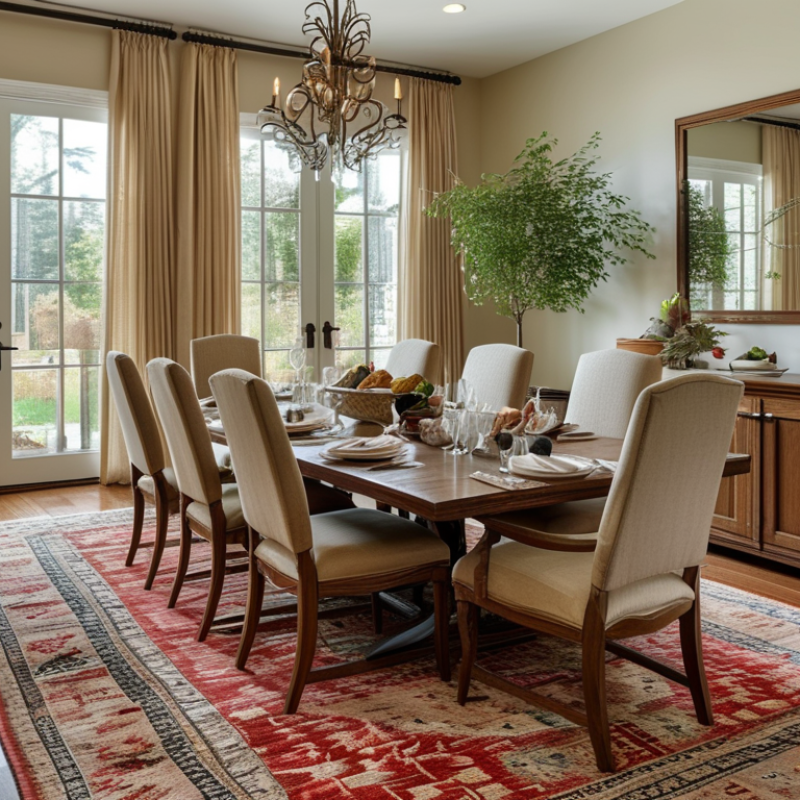
Choosing the right rug size for your dining room is crucial for both aesthetics and function. A well-sized rug can enhance the overall design and create a cozy atmosphere. When you slide your chairs in and out, the rug should accommodate that movement. Ideally, all chairs should sit on the rug, or at least the front legs must remain on it. This helps in defining the space and adds elegance.
A rug that is too small can make the dining area feel disconnected. If it doesn’t reach all the way under the dining table, it may look awkward. On the other hand, a rug that is too large can overwhelm the room. It might cover up beautiful flooring or clash with other furniture. Consider your dining room’s dimensions and the existing decor.
Another aspect to ponder is the rug's material. A durable and easy-to-clean fabric is essential, especially in a dining area. Spills are inevitable, and a rug that absorbs stains is not ideal. Look for options that fit your style while offering practicality. Balancing aesthetics and function can be challenging, but getting the size right is a good starting point.
| Rug Size (ft) | Recommended Dining Table Size (ft) | Ideal Shape | Room Size (sq ft) | Rug Placement Tips |
|---|---|---|---|---|
| 5 x 8 | 4 x 6 | Rectangular | 100-150 | Place 1-2 feet of rug under the table |
| 6 x 9 | 5 x 7 | Rectangular | 150-200 | Ensure all chairs fit on the rug |
| 8 x 10 | 6 x 8 | Rectangular | 200-300 | Center rug under the dining table |
| 9 x 12 | 7 x 10 | Rectangular | 300-400 | Allow at least 12 inches around table edges |
| 10 x 14 | 8 x 10 | Rectangular | 400+ | Create a defined dining area |
: The right rug size enhances design and function, creating a cozy atmosphere. It also aids in chair movement.
A small rug can make the dining area feel disconnected and awkward, as it may not fit under the table properly.
An oversized rug can overwhelm the room and may clash with other furniture or cover beautiful flooring.
Common sizes include 8x10 feet for most tables, 5x8 feet for small spaces, and 9x12 feet for larger areas.
The rug should extend at least 3 feet beyond the table's diameter to allow for easy chair movement.
For rectangular tables, the rug should extend 2-3 feet beyond the edges for comfort and movement.
In compact spaces, a smaller rug might work better, providing a cozy feel without overcrowding the area.
Look for a durable and easy-to-clean fabric, as spills are common in dining areas and practicality is key.
Reflect on your room's dimensions and style, as the wrong choice might require adjustments later on.
Consider how the rug fits with existing decor and the overall feel you want to achieve in your dining area.
When it comes to how to choose the right rug size for a dining room, understanding the significance of rug dimensions is essential. The right rug can enhance the space’s aesthetic while providing comfort underfoot. Begin by measuring your dining room, focusing on key dimensions such as the table size and the space around it. Standard rug sizes will generally work for various setups, but knowing the specific requirements of your dining area is crucial.
Positioning the rug correctly is another important aspect; consider the shape of your dining table when determining placement. Round tables may require different dimensions compared to rectangular ones. Additionally, the material and style of the rug play a significant role in your selection process, influencing both size requirements and overall design cohesion within the room. By taking these factors into account, you can ensure that your chosen rug complements your dining space beautifully and functionally.

 LumiFit Furniture