A sagging sofa cushion can make your living space feel less inviting. Over time, wear and tear can affect the comfort and appearance of your sofa. Knowing how to fix a sagging sofa cushion effectively is essential for those who want to maintain their furniture.
Many people face this issue, and it often leaves them frustrated. You may wonder if it’s time to replace your sofa entirely. However, there are practical solutions available. By understanding the causes and applying simple fixes, you can restore your sofa's comfort and style.
In this guide, we’ll explore the top ten effective methods to rejuvenate your cushions. Each method offers actionable steps based on expert insights and real-world experiences. By the end, you will feel empowered to tackle this common household problem. Your living space deserves to look and feel its best. Let’s dive in and learn how to bring life back to your sagging sofa cushion.
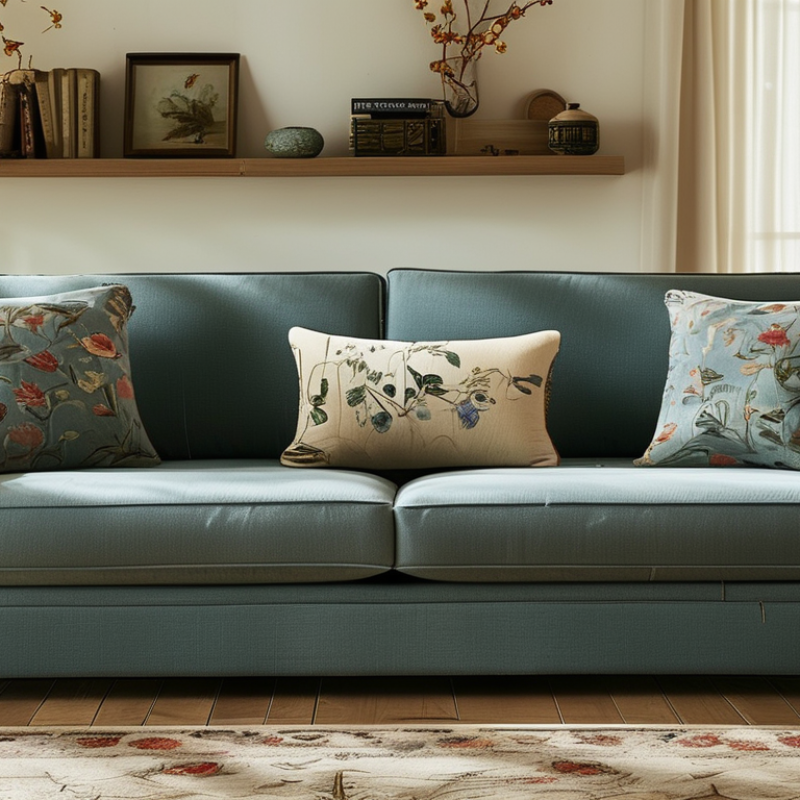
Assessing the condition of a sagging sofa cushion is crucial before attempting to fix it. Look closely at the cushion's surface and shape. Is it uneven or misshapen? Feel if it's compressed or lacks firmness under pressure. These signs indicate wear and tear, often resulting from prolonged use.
Next, check the filling material. It could be foam, fiber, or a combination of both. Foam cushions tend to degrade over time and may lose their elasticity. Fiber fillings could clump together, creating lumps that disrupt comfort. Assessing the internal structure can help you determine the right corrective measures.
Consider the age of the sofa as well. A vintage piece might need different care than a newer model. Also, think about the overall frame of the sofa. If it’s sagging, the cushion will always struggle to support itself. Be prepared for a mix of minor and major repairs. Each cushion has its unique challenges, but understanding their specific issues is key to restoring comfort.
Identifying the cause of cushion sagging is crucial for effective repair. Sagging often stems from wear and tear or the type of materials used. High-density foam may last longer than lower quality alternatives. However, even the best materials can lose resilience over time, especially if they aren't properly cared for.
Another common reason for sagging is improper maintenance. Regular fluffing can make a noticeable difference. Neglecting to rotate cushions will lead to uneven wear. If you notice deeper depressions in specific spots, it's likely a sign of inadequate support beneath. Old springs or weak frames can exacerbate the issue, pressing down on the cushions unevenly.
Environmental factors also affect cushions. Humidity and heat can alter the fabric's integrity. Pets may contribute to sagging by sitting or jumping heavily on the sofa. Reflecting on these factors can provide insights into why your sofa isn't as comfortable as before. Understanding the root cause will be the first step towards finding a suitable fix.
Sofa cushions can sag over time, losing their original shape and comfort. Relying on simple techniques can help you restore their fluffiness. Start by removing the cushions from your sofa. This gives you access to fluff them properly.
Take the cushions outside for a bit of fresh air. Sunlight can help eliminate odors and reduce moisture. While outside, give the cushions a good shake. This action can help redistribute the filling inside. Try kneading the cushions with your hands, focusing on areas that feel lumpy or flat. Sometimes, just a little effort can make a big difference.
Consider using a vacuum cleaner to remove dust and debris. This process can rejuvenate the cushion material. If the cushions use foam, you might need to replace the foam entirely. Measure the old foam accurately for better fitting. Remember, not every method will work perfectly for every cushion. Reflect on the results and adjust your approach as needed.
Sagging sofa cushions can be a significant annoyance. Over time, the foam within these cushions loses its shape and firmness. One effective way to restore the comfort of your sofa is by using replacement foam. Choosing the right foam is crucial. Look for materials that can match or exceed the original firmness and density.
When selecting replacement foam, consider the thickness and cut. Accurate dimensions help ensure a snug fit. Many people overlook the importance of choosing a high-quality foam. Cheap options may not provide lasting support. It's worth investing time in research. You might want to touch and feel different foam types in stores. Sometimes, the best choice requires a bit of trial and error.
After installing the new foam, don’t forget to re-evaluate the overall look of your cushions. The new material may look different from the old one. You might also have to adjust your cushion covers to fit better. Expect minor imperfections. These can occur when working with new materials. Reflecting on these small details can lead to a more satisfying result in the long run. Trusting your instincts during this process will enhance your sofa's longevity.
Cushion sagging can detract from your sofa's comfort and appearance. To prevent this, focus on some practical tips. Regularly fluff your cushions to maintain their shape. This simple action redistributes the filling materials, which aids in avoiding permanent indentations.
Using quality cushion inserts is essential. Research indicates that high-quality foam can resist sagging better than standard materials. Consider replacing worn-out filling with new, supportive foam or down alternatives. This investment can extend the life of your cushions significantly.
Additionally, rotating your cushions monthly can help even out wear. This method promotes overall balance and enhances comfort. A study found that rotating cushions can prolong their lifespan by up to 30%. Clean your sofa according to care instructions to reduce wear caused by dust and dirt accumulation. Regular care and attention can make a noticeable difference in maintaining your sofa's aesthetics and functionality.
: Check the cushion’s surface for unevenness and feel for lack of firmness. Noticeable depressions indicate sagging.
Common materials include foam and fiber. High-density foam tends to last longer than lower-quality options.
Older sofas may need more care. Vintage pieces often require different maintenance than newer models.
Sagging can result from wear and tear, improper maintenance, and environmental factors like humidity.
Regularly fluff the cushions and rotate them monthly. This action redistributes filling and prevents permanent indentations.
Proper cleaning reduces wear from dust and dirt. Following care instructions can help maintain both aesthetics and function.
If you're wondering how to fix a sagging sofa cushion, start by assessing the condition of your cushions to understand the extent of the problem. Identifying the cause of the sagging—whether it’s worn-out foam, inadequate filling, or improper maintenance—will guide your repair approach. A step-by-step process for refluffing sofa cushions can rejuvenate their appearance and comfort, while using replacement foam offers a more permanent solution to restore firmness.
In addition to these methods, implementing practical tips for preventing future cushion sagging can drastically extend the life of your sofa cushions. Regularly rotating and fluffing the cushions, avoiding excessive weight, and maintaining proper cleaning routines play key roles in preservation. By following these steps, you can effectively address and prevent sagging cushions, ensuring lasting comfort in your living space.
