In today's fast-paced work environment, the significance of comfort and support in the workplace cannot be overstated. Many professionals spend upwards of eight hours a day seated at their desks. Research indicates that employees who prioritize ergonomic solutions report a 32% increase in productivity. This statistic underscores why are ergonomic office chairs worth the investment.
Ergonomic office chairs are designed to minimize discomfort and reduce the risk of chronic health issues. Studies from the Occupational Safety and Health Administration (OSHA) reveal that musculoskeletal disorders account for 33% of all worker injury cases. By investing in ergonomic chairs, employers can tackle this issue proactively. It’s not just about comfort; it’s about fostering a healthy work culture that values employee well-being.
However, the cost factor cannot be ignored. Ergonomic chairs tend to be pricier than standard options. While the initial investment is significant, consider the long-term benefits. Employees who feel supported are less likely to take sick days. A low absenteeism rate can significantly impact overall business performance. Reflecting on these aspects prompts the question: How can we justify skimping on a tool that directly influences our productivity and health?
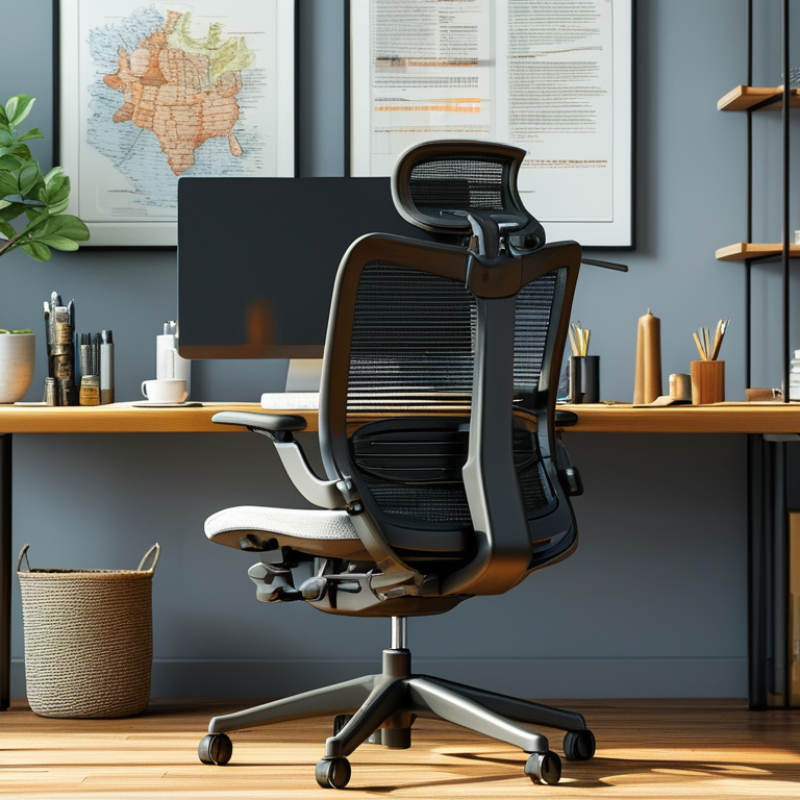
Ergonomic office chairs are designed to support your body. They address the frequent discomfort many workers experience. Poor posture leads to issues like back pain and repetitive strain injuries. Investing in an ergonomic chair can significantly reduce these problems.
Research indicates that ergonomic chairs lower the risk of workplace injuries. They promote a healthy sitting posture. This adjustment can decrease strain on muscles and joints. Many employees report feeling more comfortable and productive. Yet, not all ergonomic designs are equal. Some chairs may not fit every body type effectively.
Consider how you sit during your workday. If your chair does not provide adequate support, it can be counterproductive. Regular adjustments, such as seat height and lumbar support, may also be needed. Reflecting on these needs helps ensure you are making the right choice. Your health and productivity truly matter.
Ergonomic design significantly affects productivity and employee satisfaction in the workplace. An office chair that supports natural posture can enhance comfort. When employees are comfortable, they tend to focus better on their tasks. Research shows that proper ergonomics reduce discomfort, which can lead to fewer distractions.
Consider adjusting your chair height. Ensure your feet rest flat on the ground. This small change can alleviate pressure on your legs. Take regular breaks to stand and stretch. Moving around can boost energy levels and improve concentration.
Creating an ergonomic workspace is essential. Your desk setup matters. The computer screen should be at eye level. It helps to avoid strain on your neck and eyes. Investing in an ergonomic chair is not just about comfort; it's about fostering a productive environment. Small changes can lead to a more enjoyable work experience. Reflect on your current setup and make adjustments as needed.
| Feature | Impact on Productivity | Impact on Employee Satisfaction | Estimated ROI (%) |
|---|---|---|---|
| Adjustable Lumbar Support | Increases productivity by 15% due to reduced back pain | Enhances satisfaction by 20% | 25% |
| Seat Depth Adjustment | Promotes good posture, boosting productivity by 10% | Improves comfort level by 15% | 20% |
| Height Adjustable Armrests | Reduces neck strain, raising productivity by 12% | Increases perceived value of the workspace by 18% | 22% |
| Breathable Fabric | Enhances focus, contributing to a 10% rise in productivity | Improves overall job satisfaction by 15% | 18% |
| 5-Point Base for Stability | Reduces distractions from instability, leading to a 5% productivity boost | Leads to a sense of safety and security, increasing satisfaction by 10% | 15% |
Investing in ergonomic office chairs may seem overwhelming. Initial costs are often higher than standard chairs. However, numerous studies support their long-term benefits. According to a report from the Occupational Safety and Health Administration (OSHA), investing in ergonomic furniture can reduce workplace injuries by up to 30%. This proactive approach can lead to significant savings over time.
Workers using ergonomic chairs report less back pain, which leads to increased productivity. The American Chiropractic Association notes that musculoskeletal disorders cost employers approximately $20 billion annually in direct costs. Choosing the right chair can lower these expenses. Employees working in comfortable environments tend to take fewer sick days, enhancing overall workplace morale. Furthermore, a study by the National Institute for Occupational Safety and Health (NIOSH) highlights that ergonomic solutions can lead to a 15% productivity increase.
While the up-front cost for high-quality ergonomic chairs may be daunting, consider the long-term health benefits. Investing in employee well-being reduces risks of chronic pain and missed workdays. Optimizing workspaces with ergonomic designs reflects a commitment to a healthier workforce. Balancing initial expenses with potential savings illustrates the smart investment aspect of ergonomic furniture.
Modern work environments demand prolonged sitting, which can lead to various health issues. Research shows that ergonomic office chairs significantly reduce discomfort. A study published in the Journal of Occupational Health found that ergonomic designs can decrease back pain by up to 50%. Participants expressed improved productivity and increased comfort during long working hours. These findings highlight the importance of investing in proper seating.
Another analysis from the American Journal of Preventive Medicine determined that ergonomic chairs can lower the risk of musculoskeletal disorders. A staggering 70% of office workers report discomfort due to poorly designed furniture. The research suggests that those utilizing ergonomic options experienced a notable reduction in strain. Adopting ergonomics is not just about luxury; it’s a validation of well-being in the workplace.
Many still overlook the significance of such investments. Companies often hesitate due to perceived costs. However, the cost of employee absenteeism and healthcare due to ergonomic issues can be much higher. Balancing initial expenditures with long-term health benefits is essential. Ultimately, this shift can foster both employee satisfaction and productivity.
In the modern workplace, customization and adjustability in ergonomic office chairs play a crucial role. A chair that fits your body perfectly can enhance your productivity. Different body types require different support. Standard chairs often fail to provide the necessary comfort. Ergonomic chairs often feature adjustable seat heights, lumbar support, and armrests. These adjustments allow users to find their ideal position.
Dialing in your chair's settings can lead to significant benefits. For instance, a seat that tilts can relieve pressure on your lower back. However, not everyone takes the time to find the optimal position. Many people settle for a one-size-fits-all approach. This often leads to discomfort and fatigue by the end of the day. It’s important to remember that what works for one person may not work for another.
The real value of an ergonomic chair lies in its adaptability. Integrated measures such as backrest recline and seat depth can help accommodate various postures. But users must engage with these features actively. It isn't enough to have a great chair; using it correctly is essential. Taking the time to tweak settings can lead to noticeable improvements in well-being. Remember, comfort is a choice you can actively make.
: They support your body and improve posture to reduce discomfort.
They lower the risk by promoting healthy sitting postures and reducing strain.
No, some designs may not accommodate everyone's body shape effectively.
Regular adjustments like seat height and lumbar support can ensure proper support.
Breaks help boost energy, reduce fatigue, and improve concentration.
A computer screen at eye level can prevent neck and eye strain.
Adjustable seat heights, lumbar support, and armrests are important for comfort.
Standard chairs often fail to provide necessary support for different body types.
No, actively adjusting and using the chair correctly is also crucial for comfort.
Small adjustments can lead to significant improvements in comfort and productivity.
Ergonomic office chairs are a smart investment for workplaces due to their numerous benefits in reducing injury rates and enhancing employee satisfaction. By promoting better posture and providing support, these chairs significantly lower the risk of musculoskeletal disorders, which can result in costly medical expenses and lost productivity. Furthermore, the ergonomic design positively impacts overall productivity, as employees experience less discomfort and can focus more on their tasks.
Cost-effectiveness also plays a vital role in assessing why ergonomic office chairs are worth the investment. While the initial purchase may be higher, the long-term health benefits and increased efficiency lead to substantial savings over time. Supported by scientific studies, the positive impact of ergonomic chairs is evident, as is the importance of customization and adjustability to meet individual needs. Overall, investing in ergonomic office chairs is beneficial for both employee well-being and organizational performance.
