When it comes to interior design, understanding how to measure a room before buying furniture is crucial. Expert interior designer Sarah Mitchell states, "Accurate measurements ensure your new furniture fits and enhances your space." Without this knowledge, you may find your dream sofa too large or your dining table too small for the area.
Measuring a room can feel daunting. Start with the length and width, noting any architectural features like doors or windows. Use a tape measure and remember to account for space needed to walk comfortably around your furniture. These small details matter.
Mistakes are common. Many people rush this process, leading to mismatched sizes and awkward layouts. Reflect on past experiences; measuring can be tedious, but it's essential for creating a harmonious space. Taking the time now saves headaches later, ensuring your chosen pieces fit perfectly in your home.
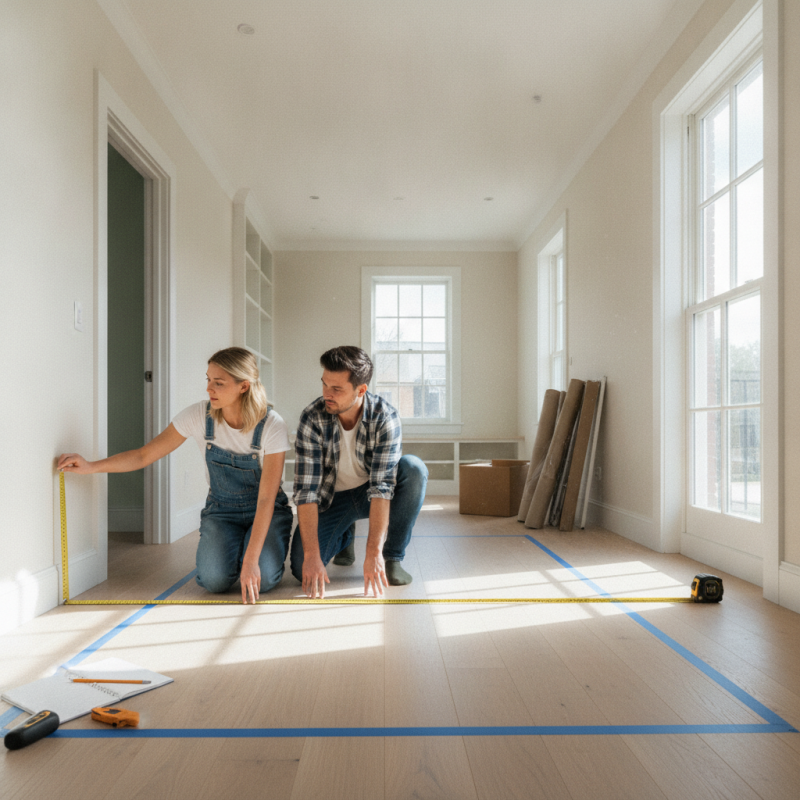
Measuring your room accurately is crucial for choosing the right furniture. Start by noting the dimensions of the room. Measure each wall from corner to corner. Take your time; a rushed measurement can lead to mistakes. Consider the height of the room as well. This helps in selecting tall furniture or wall-mounted pieces.
Once you have the dimensions, sketch a simple floor plan. Include windows, doors, and any built-in features. Visualizing the layout can reveal potential issues. For example, a large sofa might block a doorway. Reflect on the flow of movement in the space. It should feel open, not cramped.
Keep in mind that furniture sizes vary. A piece that looks great in the store might feel too big in your home. If you're unsure, use painter's tape to outline furniture shapes on the floor. This helps in visualizing the space they occupy. Be willing to adjust your initial ideas. Flexibility is key in creating a cozy and functional environment.
Measuring your room accurately is essential for a perfect furniture fit. To achieve this, you'll need reliable tools.
Rulers, tape measures, and mobile apps are the backbone of effective room measurement.
A standard tape measure can easily extend to various lengths, making it versatile for any room size. Rulers are great for small spaces or when you need precision.
Mobile apps offer a modern twist. Many allow you to take measurements using your phone's camera. They can help visualize how furniture will fit within your space. However, technology doesn't always work perfectly.
You may encounter issues with accuracy. It's important to cross-check your measurements with a tape measure.
Remember to clear obstacles before measuring. Items on the floor can lead to errors. Maintain a consistent measuring technique; even slight differences can impact your results.
By employing these tools carefully, you can avoid common pitfalls in room measurements. This helps ensure that your furniture not only fits but enhances your living space.
Measuring your room accurately is crucial for a perfect furniture fit. Begin with the walls. Measure each wall from corner to corner. Note any irregularities, such as protrusions or recesses. This helps in understanding how much space you truly have. Remember to use a tape measure for precision. Write down your measurements immediately. This reduces the chances of errors.
Next, turn your attention to windows and doorways. Measure the height and width of every window. This is essential for selecting curtains or blinds. For doorways, measure their height and width as well. Consider the swing of the doors. If they open inward, ensure you account for that when choosing furniture placement.
You've likely made mistakes in the past. Perhaps you overlooked a small wall or misjudged the space needed for a chair to fit comfortably. These oversights can alter the room's flow. Reflecting on these past errors can guide your current approach. Taking careful measurements today can improve the layout of your space.
When planning your room layout, accurate measurements are crucial for maximizing space efficiency. According to a report from the National Institute of Interior Designers, nearly 70% of homeowners struggle with furniture fitting. This often leads to clutter or awkward arrangements. Begin by measuring your room’s dimensions. Include not just length and width but also the height of walls and locations of windows and doors. This foundational step is vital to visualize how each piece will fit.
Calculating the dimensions of your furniture requires awareness of your living habits. For example, the average dining table should allow for at least 36 inches of space for movement around chairs. Yet, many overlook this detail, resulting in cramped dining experiences. Avoid placing oversized items in small spaces; instead, consider versatile furniture that adapts to various needs. A compact sofa can save space while providing comfort.
One common pitfall is underestimating clearance space. Ideally, allow for at least 24 inches between pathways for easy navigation. If this is neglected, it can lead to daily frustrations that mar your living environment. Aim for a balance between aesthetics and functionality. A thoughtful arrangement goes beyond mere aesthetics; it fosters a harmonious living experience that genuinely reflects your needs.
| Room Type | Room Dimensions (L x W x H) | Recommended Furniture Size (L x W) | Notes |
|---|---|---|---|
| Living Room | 15 ft x 20 ft x 10 ft | 80 in x 30 in | Ensure space for traffic and comfort. |
| Bedroom | 12 ft x 14 ft x 9 ft | 60 in x 80 in | Consider nightstands and wardrobe space. |
| Dining Room | 14 ft x 16 ft x 10 ft | 72 in x 36 in | Allow 3 ft space around the table. |
| Office | 10 ft x 12 ft x 9 ft | 48 in x 24 in | Ensure ergonomic layout for comfort. |
| Kitchen | 12 ft x 15 ft x 8 ft | 36 in x 18 in | Prioritize functionality and traffic flow. |
When measuring your room for furniture, focus on proportion. Understanding the ratio of your space to your furniture is crucial. A poorly sized piece can overwhelm a small room or get lost in a larger one. For instance, a recent survey by the American Home Furnishings Alliance indicates that 70% of homeowners feel their furniture does not fit well in their spaces. This highlights the importance of measurement.
Use a scale model to visualize the fit. Create a floor plan with accurate dimensions. Cut out scaled representations of your furniture. Move these cutouts around to find a harmonious arrangement. Tip: Always leave at least 18 inches of walking space between pieces. This allows for better flow and accessibility in your room.
Many people overlook ceiling height when measuring. Tall furniture may dominate a space with low ceilings. The ratio of height to width should align. For example, the Furniture Today report states that 53% of buyers focus on design compatibility. Don't ignore your room's character. Aim for a balance between style and practicality. Remember, the goal is a space that feels inviting and functional.
: Use rulers, tape measures, or mobile apps for reliable measurements. Each tool serves a different purpose.
Measure each wall from corner to corner. Note any irregularities to understand your available space better.
Accurate window and doorway measurements help select appropriate coverings and consider door swings for furniture placement.
It's easy to overlook small walls or misjudge space for furniture, impacting the room's flow and comfort.
Measure room dimensions and furniture carefully. Aim for adequate clearance to avoid cramped arrangements.
Ideally, there should be at least 36 inches of space for chairs to allow easy movement when dining.
Consider using versatile furniture pieces and avoid oversized items that can overwhelm small spaces.
Think about previous mistakes to improve current measurements and enhance your room layout for better functionality.
Allow at least 24 inches between pathways for easy navigation; neglecting this can create daily frustrations.
To achieve a perfect furniture fit in your space, understanding how to measure a room before buying furniture is crucial. Start by grasping the basic room dimensions, which forms the foundation of your measurement process. Equipped with essential tools such as rulers, tape measures, and measurement apps, you can accurately capture the key measurements, including walls, windows, and doorways.
Once you have these measurements, calculating furniture dimensions is vital for optimal space efficiency. This involves not only knowing the size of potential furniture pieces but also considering the room's layout. Finally, leveraging ratio and scale ensures that your furniture proportionately fits within your space, preventing overcrowding and enhancing the overall aesthetic of your room. Following these guidelines will help you make informed decisions when it comes to furnishing your home.
