In 2026, pet ownership continues to rise, bringing joy and companionship to many homes. However, this increase poses challenges for furniture lovers. Knowing how to pet proof your living room furniture has become essential for maintaining both style and durability.
Consider the materials you choose. Fabrics such as microfiber and leather are often more resistant to stains and damage. But even the most durable furniture can fall prey to scratches and stains if not cared for properly. Additionally, some pets leave behind hair and dander, making cleaning a frequent task.
Reflecting on personal experiences, a few small missteps can lead to frustration. A beloved chair was ruined by eager paws. These reflections remind us that preparation is key. By planning, you can enjoy your pet’s presence while preserving the beauty of your living space. Knowing how to pet proof your living room furniture can lead to a harmonious home.
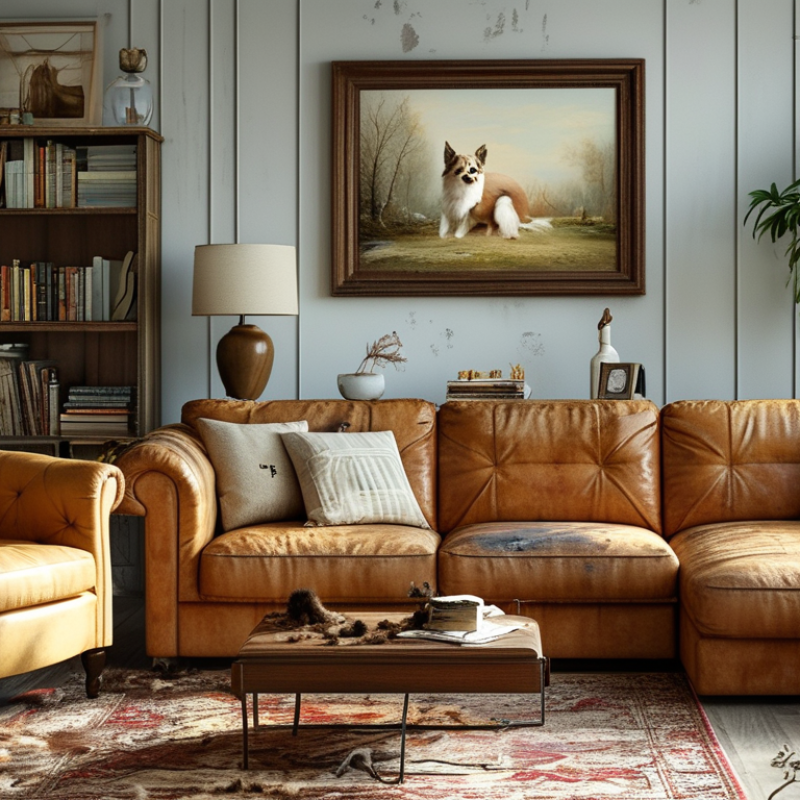
Understanding pet behavior is crucial when pet-proofing your living room furniture. Pets often engage in scratching, chewing, or jumping, which can lead to furniture damage. Recognizing these behaviors can help you mitigate potential issues. For example, cats may see your couch as a scratching post. This behavior is instinctual and can be redirected.
To minimize damage, consider using furniture covers or slipcovers that can withstand wear and tear. Some fabrics are more resistant to stains and scratches. Additionally, providing your pet with designated areas to play can help. This might include a cozy bed or a cat tree. Ensure your pet has alternatives to furniture, such as scratching pads or chew toys.
Reflection on our pets’ impulses is important. A dog might chew furniture out of boredom or anxiety. Regular exercise can alleviate such tendencies. However, even the most well-behaved pets may have accidents. Being prepared for the unexpected is key. Investing time in understanding your pet’s habits will ultimately lead to a more harmonious living space.
When selecting pet-friendly fabrics for your living room, durability and stain resistance are paramount. Look for materials like microfiber or denim. These fabrics are not only tough against scratches but also easy to clean. They resist stains effectively, making them perfect for homes with pets. Consider fabrics with tight weaves. They are less likely to snag on claws and are usually more resistant to wear and tear.
Tips: Always test a small area of fabric with water or pet-friendly cleaner. This helps you see how it reacts to spills. If it shows spots or changes color, reconsider your choice.
Choosing the right color can also make a difference. Darker shades can mask fur and dirt better than lighter ones. Textured fabrics may hide wear better, too. However, remember that some textures can trap pet hair. You might also find yourself vacuuming more frequently. Regular maintenance is key to keeping your furniture looking fresh.
Designing a pet-friendly living room involves careful furniture placement and smart material choices. According to the American Pet Products Association, 70% of households own at least one pet, making it vital to consider how our furry friends interact with their environment. Selecting durable upholstery is crucial. Fabrics like microfiber and denim resist scratches and stains. Ensure these materials can withstand your pet's enthusiastic play.
When arranging furniture, create open pathways for your pets. Avoid tight spaces that may lead to accidents. Place important items out of reach to minimize breakage and mess. For instance, elevate your coffee table essentials. Use soft edges on furniture to reduce injury risks.
Tip: Use washable slipcovers on sofas. They protect your investment while allowing easy cleaning. Additionally, consider pet-friendly rugs made from synthetic fibers. They are more resilient against spills and dirt. Remember, not every piece needs to be perfect; embrace a few scuffs as character in your space. While pet-proofing your living room can seem overwhelming, thoughtful choices lead to a safe and inviting area for both you and your pets.
When pet-proofing your living room, consider effective tools and techniques available in 2026. First, invest in durable fabrics. Heavy-duty upholstery resists scratches and stains. Look for materials like microfibers, known for their easy cleaning. This choice can save you from frequent replacements.
Next, utilize pet-proofing sprays that create an invisible barrier. These sprays help repel odor and stains. They can be applied to a variety of surfaces. Just remember to reapply them regularly for full effectiveness.
Don’t overlook furniture covers. They're an easy way to protect sofas and chairs. Choose washable options to simplify maintenance. This approach may seem less stylish initially. Over time, you'll appreciate the protection they provide. Lastly, consider using corner guards for sharp furniture edges. These not only protect your pets but also prevent damage to your pieces. It’s essential to reflect and adapt according to your pet's behavior and habits.
Creating a pet-friendly living room can be a challenge, especially when it comes to furniture maintenance and care. Consider using fabric protectors. These can help repel stains from pet accidents or food spills. Regularly vacuuming upholstered furniture can remove pet hair and dander, keeping your space fresh. Sometimes, even with protection, accidents happen. It's essential to clean stains promptly with pet-safe cleaners to prevent long-term damage.
Investing in durable materials is also key. Choose furniture with natural fibers like canvas or tightly woven fabric. These are more resistant to wear and tear. However, nothing is perfect. Scratches and dents may still occur over time. Keep a pet grooming kit handy to manage your pet’s claws. Regularly inspect your furniture for any signs of wear. Address issues quickly to maintain your living room's appearance and functionality.
Lastly, consider the arrangement of your furniture. Leave some space for your pets to play. A clutter-free environment reduces the chances of accidents. Remember, while we aim for a pristine living space, the presence of pets brings joy, even with a few imperfections. Embrace these moments. They remind us of the love our furry friends bring into our homes.
: Use durable fabrics, slipcovers, and furniture covers that resist scratches and stains.
Clean stains quickly with pet-safe cleaners. Regular vacuuming helps maintain a clean space.
Cats and dogs may scratch out of instinct, boredom, or anxiety. Providing alternatives helps.
Look for natural fibers like canvas or tightly woven fabrics. They resist wear better.
Provide designated areas and alternatives, such as scratching pads and chew toys.
Regularly inspect for wear, use fabric protectors, and manage your pet’s claws.
Yes, consider heavy-duty upholstery and pet-proofing sprays that repel odors and stains.
Leave space for pets to play and arrange furniture to avoid clutter.
Yes, observing and reflecting on their habits can guide your choices effectively.
Clean immediately with pet-safe products to prevent stains and lasting damage.
In "How to Pet Proof Your Living Room Furniture in 2026," the article delves into essential strategies for creating a pet-friendly living space while preserving your furniture. It begins by exploring pet behavior and its potential impact on furnishings, helping owners anticipate and mitigate damage. Selecting durable and stain-resistant fabrics is emphasized as a key step in ensuring longevity in a pet-centric environment.
The article also discusses optimal furniture placement and material considerations to foster safety. Utilizing various pet-proofing products, the piece highlights effective tools and techniques that simplify the pet-proofing process. Finally, the importance of regular maintenance and care is addressed, providing insights on how to maintain furniture in a home that accommodates pets. Overall, the guide offers practical advice on how to pet proof your living room furniture, ensuring both comfort for pets and aesthetics for the home.
