A beautifully styled bookshelf can enhance any room's aesthetic while serving a functional purpose. Many people struggle with how to style a bookshelf without looking cluttered. It’s a common challenge. You want to showcase your favorite books and decor without creating visual chaos. Finding the right balance is essential.
Consider the colors and shapes of the items on your shelves. Mix large and small items for visual interest. Use a consistent color palette to create harmony. However, it can be tricky to achieve this balance. Sometimes, it’s easy to overcrowd your shelves. Reflect on what items truly matter to you.
A well-styled bookshelf reflects personal taste and creativity. It invites curiosity and conversation. Don’t hesitate to rearrange elements until you find what feels right. Embrace imperfection in this process, as it often leads to the most authentic displays. A bookshelf is not just for books; it’s a canvas for your story.
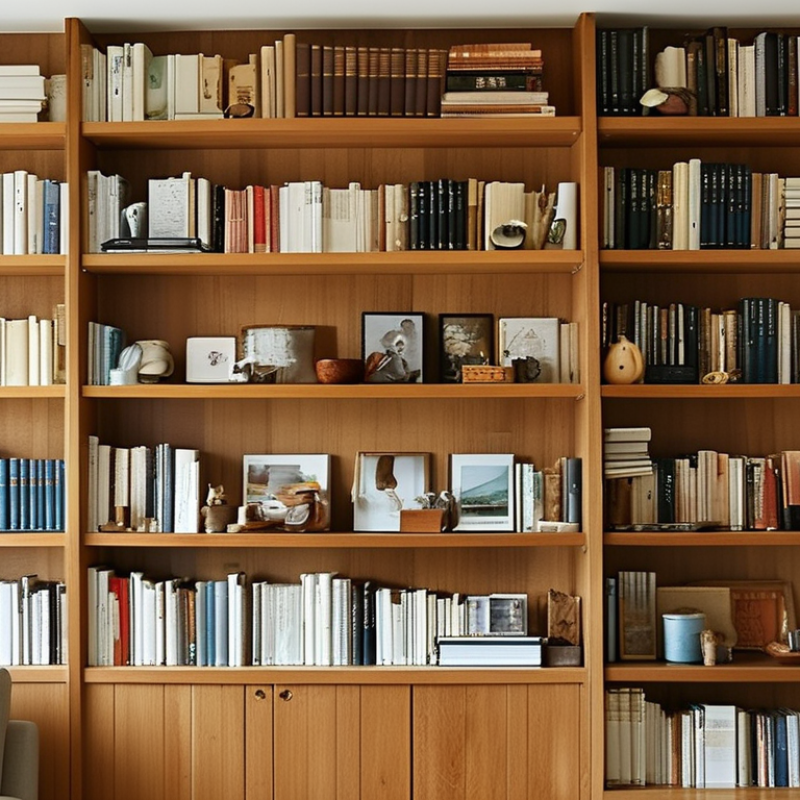
Choosing the right bookshelf for your space is crucial. Consider the size of your room. A towering shelf in a small space can feel overwhelming. Compact or modular bookshelves can provide a better fit. They offer flexibility and can adapt to different areas.
Next, think about the style and material. Wooden bookshelves add warmth and classic appeal. Metal shelves give a modern touch. A mix of materials can create an eclectic vibe. Observe how each option complements your interior design. It’s important to find balance.
Don’t forget about functionality. Look for shelves with adjustable heights or hidden compartments. These features can offer more than mere storage. Reflect on how you plan to use your shelf. Are you displaying books, plants, or decorative pieces? Understanding your needs can prevent clutter. Aim for a bookshelf that enhances both aesthetics and utility.
To create a visually appealing bookshelf, start with selecting a mix of books and decorative items. Choose books of different sizes and colors. This variety enhances visual interest. Group books horizontally and vertically. This balance creates a dynamic look.
When adding decorative items, think about personal stories. Include items like framed photos, travel souvenirs, or small plants. These pieces add character. But avoid overcrowding your shelves. Too many items can lead to a cluttered appearance.
Tips: Stick to a color scheme that resonates with your space. This can unify your overall design. Regularly reassess your display. Over time, your tastes may change. Allow your bookshelf to evolve with you. Embrace imperfections; they add charm. Enjoy the process of styling your bookshelf.
| Item Type | Example Items | Purpose |
|---|---|---|
| Books | Fiction, Non-fiction, Cookbooks | Primary display items for content |
| Decorative Objects | Vases, Figurines, Art Pieces | Add personality and flair |
| Storage Bins | Lidded boxes or baskets | Hide clutter and keep things organized |
| Plants | Potted succulents, small ferns | Introduce nature and freshness |
| Artwork | Framed prints, canvas art | Enhance visual interest |
Arranging a bookshelf can be an art. Choosing color, size, or theme impacts the visual appeal significantly. Start with color coordination. Grouping books and items by shades creates a seamless look. Soft pastels can evoke calmness, while vibrant colors add energy. A gradient effect can transform the shelf into a stunning visual experience.
Size plays a crucial role too. Mixing tall and short items creates depth. Use larger books as anchors. Place smaller items like plants or sculptures in between. This method not only adds variety but also guides the eye across the shelf. Don’t hesitate to rearrange until it feels right. Sometimes, the best layout is not the first one you try.
Themes bring personality to your shelf. Curate items that reflect your interests. Travel souvenirs, favorite genres, or family photos can tell a story. However, avoid overcrowding. A cluttered shelf can feel overwhelming. Balance is key. Reflect on what resonates with you. This process enhances your space and your connection to the items displayed.
When styling a bookshelf, utilizing both vertical and horizontal space can create a neat look. Books can be stacked both ways. Vertical arrangements draw the eye upward, while horizontal stacks add depth. This mix offers variety, making the bookshelf visually appealing.
Tips: Try placing larger books vertically for balance. Smaller books can complement them when stacked horizontally. Don't aim for perfection; a slightly cluttered look can feel inviting. Add personal items between books. It breaks monotony and tells your story.
Consider colors and textures too. Mixing materials like wood, metal, and glass adds depth. Position decorative items at varying heights to prevent a flat look. Remember, creating a stylish bookshelf is about showcasing your personality. Reflect on what resonates with you. Your bookshelf should feel lived-in, not staged.
When styling a bookshelf, personal touches can make a significant difference. Start by incorporating items that reflect your personality. Family photos, travel souvenirs, or artwork can create a warm atmosphere. These elements help viewers connect with your space on a deeper level.
Tips: Mix up decor styles! Combine rustic elements with modern pieces. Experimenting can lead to unique arrangements. Keep the layout balanced but don’t be afraid to disrupt symmetry. It can create visual interest, even if it feels unconventional.
Remember, it’s okay if it doesn't look perfect. Sometimes, bookshelves that feel too staged can appear cold. Allow some chaos. A stack of books askew can evoke a sense of liveliness. Accessories should complement your books; they should not overshadow them. Finding harmony in the eclectic mix can take time and reflection.
: Consider your room's size. A large shelf can overwhelm small spaces. Compact bookshelves offer flexibility and a better fit.
Wooden shelves provide warmth, while metal shelves add a modern touch. Mixing materials creates an eclectic vibe for your room.
Functionality matters. Look for adjustable heights or hidden compartments. Reflect on how you’ll use it to avoid clutter.
Consider color coordination. Grouping by shades creates a seamless look. Try a gradient effect for visual appeal.
Yes, mixing tall and short items adds depth. Larger books can anchor smaller items like plants for a balanced arrangement.
Include items that reflect your personality, like photos or souvenirs. These touches create a warm and inviting atmosphere.
Absolutely! A staged look can feel cold. Embrace some chaos. An askew stack of books adds a sense of liveliness.
Balance is key. Avoid overcrowding by choosing a few meaningful items. Reflect on what resonates with you for a curated feel.
To successfully achieve an organized and aesthetically pleasing bookshelf, it is essential to start by choosing the right bookshelf for your space, ensuring it complements your existing décor. Once you have the perfect piece, you can enhance its visual appeal by selecting a curated mix of books and decorative items that reflect your personal taste. A key tip on how to style a bookshelf without looking cluttered involves arranging items by color, size, or theme, which creates harmony and balance.
Additionally, it’s important to utilize vertical and horizontal space effectively; combining these elements can help draw the eye across the shelf, promoting a sense of order. Lastly, incorporating personal touches, such as framed photos or unique accessories, adds character while still maintaining a tidy look. With thoughtful arrangement and consideration of space, you can showcase your collection beautifully, ensuring it remains sophisticated rather than overwhelming.
