10 Tips to Create a Productive Home Office in a Small Apartment?

Time:2026-08-02 Author:Aria
0%

Creating a productive home office in a small apartment can be challenging but rewarding. Many people face limited space and resources. However, with the right strategies, you can transform any corner into a functional workspace. Understanding how to create a productive home office in a small apartment is essential for boosting your efficiency and comfort.

You might think that a tiny area limits your options. But, you can use creative solutions to make the most of what you have. Think about maximizing vertical space or using multi-functional furniture. These practical steps can help you feel more organized and focused. It's crucial to design a space that inspires productivity. A well-organized home office can significantly enhance your work-life balance.

When figuring out your setup, it's important to reflect on your needs. Consider lighting, ergonomics, and personal touches that motivate you. Not every idea will work perfectly for everyone. Be willing to adjust and experiment until you find what best suits you. Embrace the struggle to create a space that truly works, and watch as your efficiency improves.
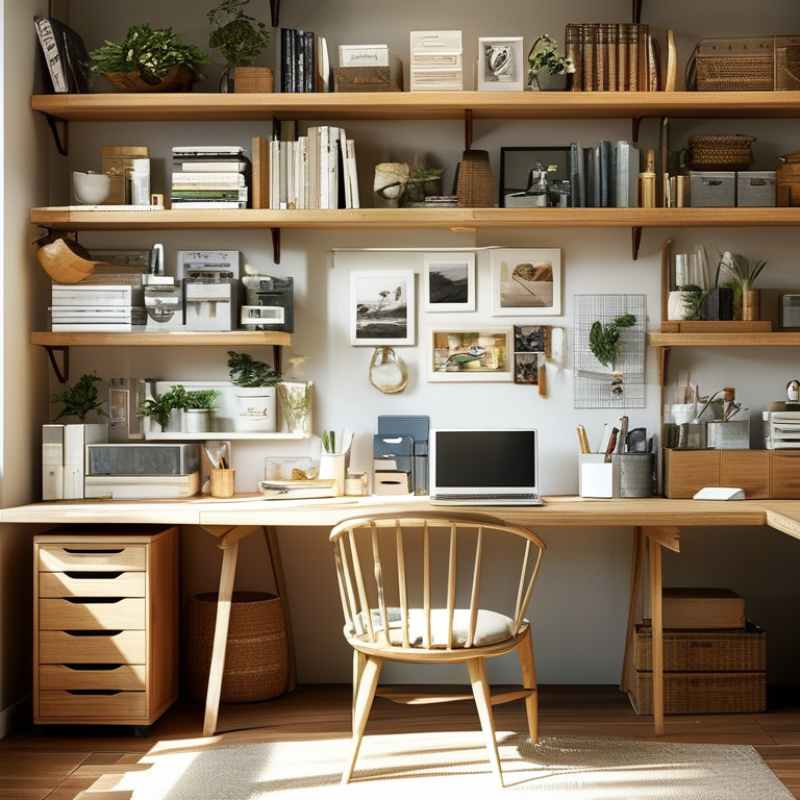
10 Tips to Create a Productive Home Office in a Small Apartment?

Identify the Ideal Location for Your Home Office in a Small Space

Finding the right location for your home office in a small apartment can be challenging. Start by assessing your space. Look for areas with natural light. A well-lit spot can improve your mood and productivity. Windows can be your best friends, especially if you can face them while working. This simple adjustment can make a significant difference.

Next, think about noise levels. Find a quieter corner away from distractions like the TV or kitchen commotion. Consider using room dividers if needed. They can help create a sense of separation between work and leisure. Sometimes, a closet can be transformed into a cozy nook. This small effort can lead to a more focused workspace, even in a tight area.

Don’t underestimate the value of comfort. An uncomfortable chair or desk can lead to fatigue. Invest in ergonomic options within your budget. Remember, it’s also okay to pivot your setup if it isn’t working. Reflect on your workspace ergonomics. Embrace the imperfections as they can lead to better solutions. Keep trying different locations until you find what suits you best.

Maximize Natural Light to Enhance Productivity in a Compact Area

Creating a productive home office in a small apartment often feels challenging. However, effective use of natural light can greatly enhance productivity. A study by the American Society of Interior Designers highlights that well-lit spaces can increase productivity by up to 20%. Exposing your workspace to sunlight can reduce eye strain and boost morale.

Position your desk near windows to capitalize on daylight. Avoid heavy curtains that block light. Consider sheer window treatments for unobstructed views. Reflective surfaces, like light-colored walls, can amplify natural light. You can transform a cramped area into a vibrant workspace by using mirrors.

Be mindful of light quality throughout the day. Morning sunlight can energize you, while harsh afternoon rays may lead to discomfort. Experiment with different arrangements. Observe how light changes in your space. This reflection will inform whether adjustments are needed. Embracing the natural environment fosters a sense of connection, essential for mental well-being.

Incorporate Multi-Functional Furniture for Space Efficiency and Comfort

Creating a productive home office in a small apartment requires smart choices, especially when it comes to furniture. Utilizing multi-functional pieces can maximize space while enhancing comfort. According to the American Society of Interior Designers, 50% of remote workers struggle with space limitations. This highlights the need for adaptable furniture solutions.

Consider a desk that converts into a dining table. This option minimizes clutter and serves dual purposes. Compact chairs that stack or fold can also help free up critical floor space. A Murphy bed can transform a workspace into a cozy sleeping area. Such choices allow for flexibility, vital in small environments.

While multi-functional furniture can be advantageous, it can lead to some challenges. Over-reliance on dual-purpose items may limit options for personalization. A lack of dedicated workspace can blur the lines between work and relaxation, impacting productivity. Therefore, balancing efficiency with comfort is essential. Create zones within your small space, even with multi-functional pieces, to maintain focus.

Establish a Routine to Maintain Focus and Structure in Your Workday

Creating a productive home office within a small apartment requires establishing a routine that maintains focus and structure. Surveys indicate that about 75% of remote workers feel more productive when they follow a set schedule. Start your day at the same time, and dedicate the first hour to essential tasks. This consistency helps signal your brain that it's time to work.

Incorporating breaks is equally vital. Research shows that working for 52 minutes, followed by a 17-minute break, optimizes concentration and reduces burnout. Have a designated area for these breaks—perhaps a cozy corner where you can unwind with a book or a cup of tea. However, it's important to assess how these breaks affect your flow; some may need fewer, while others might thrive with more frequent pauses.

Reflect on your productivity patterns regularly. Are there moments of the day when you feel less focused? Consider adjusting your routine accordingly. Regularly tracking your progress can foster accountability and improvement. Don't hesitate to experiment with different working hours or break schedules. Your home office is a personal space, and flexibility is key to finding what truly works for you.

Employee Productivity in a Home Office Setup

Personalize Your Home Office to Foster Creativity and Motivation

Creating a personalized home office in a small apartment can significantly boost your creativity and motivation. Start by choosing a theme that resonates with you. It could be nature, art, or even a minimalist aesthetic. Add elements like colorful artwork or motivational quotes to inspire you daily. Surrounding yourself with your favorite items can create a space that feels uniquely yours.

Consider your lighting. Natural light enhances mood, so position your desk near a window if possible. Use soft desk lamps to create a warm atmosphere during evenings. Incorporate plants into your workspace. They not only improve air quality but also add a refreshing vibe. A small succulent or a hanging plant can bring life to your office.

Don’t shy away from imperfection. An overflowing bookshelf can evoke creativity, while a little clutter can inspire new ideas. Reflect on what makes you feel good in your space. Personalizing your office is an ongoing process. It evolves as you do, and that's what makes it special. Embrace changes as you discover what fuels your productivity.

FAQS

: How can I use natural light to improve my workspace?

: Place your desk near a window to capture sunlight. Avoid heavy curtains and opt for sheer treatments.

What are some benefits of natural light in a home office?

Natural light reduces eye strain, boosts mood, and can enhance productivity by up to 20%.

What furniture should I consider for a small office?

Multi-functional furniture is key. Look for desks that double as dining tables and stackable chairs.

Are there downsides to using multi-functional furniture?

Yes, they may limit personalization and blur the line between work and relaxation, affecting productivity.

How important is establishing a routine for productivity?

A routine helps maintain focus. About 75% of remote workers report higher productivity with a set schedule.

How should I manage breaks during work?

Taking breaks is important. Work for 52 minutes, then take a 17-minute break for better focus.

What if I struggle to stay focused during my set breaks?

Reflect on your productivity. Some people may need more or fewer breaks; adjust accordingly to suit your needs.

How can I create different zones within a small space?

Use multi-functional furniture to create specific areas for work and relaxation. This helps maintain focus.

What should I consider when positioning my workspace?

Observe how light changes throughout the day and adjust your arrangement for optimal comfort and illumination.

How can I assess my productivity patterns?

Regularly track your progress and reflect on when you feel focused. Adapt your routine as needed for better efficiency.

Conclusion

To learn how to create a productive home office in a small apartment, start by identifying the ideal location for your workspace. Look for areas with minimal distractions where you can comfortably focus. Maximizing natural light is also crucial, as it enhances productivity and boosts your mood, making your compact space feel more inviting.

Incorporating multi-functional furniture is vital for efficiency and comfort, enabling you to optimize every square foot without sacrificing style. Establishing a routine helps you maintain focus and structure throughout your workday, essential for effective remote work. Lastly, personalizing your home office with inspiring decor can foster creativity and motivation, transforming your small apartment into a dynamic workspace. By following these tips, you can create a functional and inspiring home office tailored to your needs.

Aria

Aria

Aria is a dedicated marketing professional with a deep passion for innovative strategies and a keen understanding of our company's product offerings. With a wealth of experience in the industry, Aria excels at crafting engaging content that highlights the unique features and benefits of our......