Dark furniture can make a room feel elegant, grounded, and quietly dramatic. It can also absorb light and make small spaces appear heavier. Choosing the right fixture matters more than simply adding brightness. The key question is: what is the best lighting to complement dark furniture? In most rooms, the answer involves layered lighting, warm color temperatures, and carefully controlled contrast.
This guide explores China’s top ten lighting choices for dark furniture, including pendant lights, table lamps, wall sconces, floor lamps, and recessed fixtures. Each option offers a different balance of atmosphere, visibility, and visual proportion. Warm white bulbs around 2700K to 3000K can soften walnut, espresso, and charcoal finishes without making them look dull. High-CRI lighting is also valuable because it reveals the furniture’s real grain and undertones.
A practical example helps. A matte-black sideboard may need a brass wall sconce, while a deep brown dining table could benefit from a wide pendant with a diffused shade. Bright bare bulbs often create harsh reflections. They are not always attractive.
I have found that lighting plans can look perfect on paper but feel uncomfortable at night. Room size, ceiling height, wall color, and daily habits change the result. Therefore, this selection considers both design appeal and everyday performance. It also highlights possible weaknesses, because even beautiful lighting can produce glare, shadows, or awkward maintenance. The goal is not maximum brightness. It is a balanced room where dark furniture feels intentional, comfortable, and visually refined.
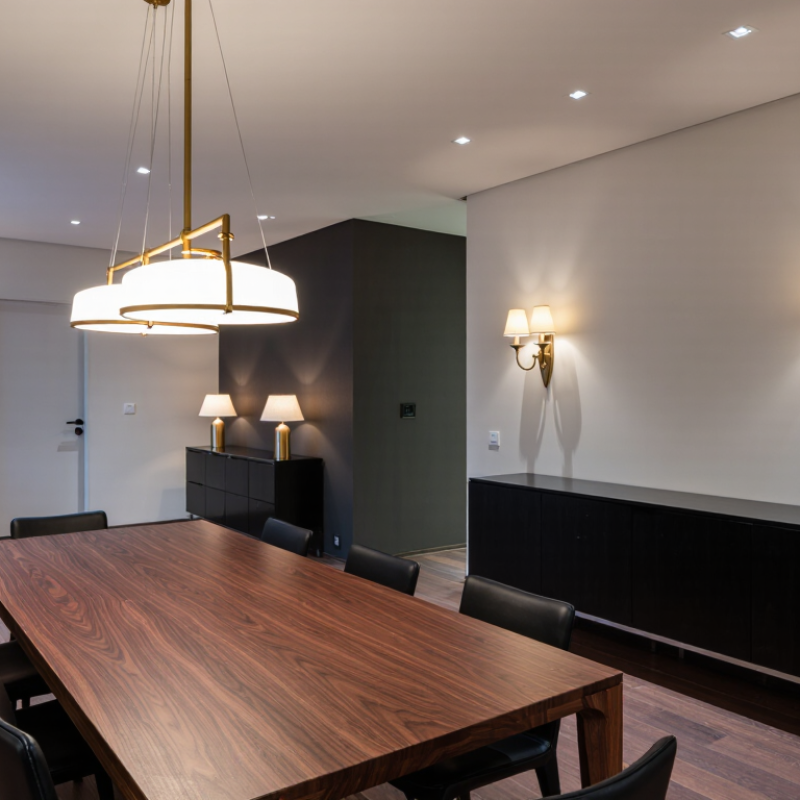
China Top 10 Best Lighting for Dark Furniture?
Dark furniture absorbs light instead of reflecting it, so its finish can appear flat, heavy, or colder than expected. Lighting changes that perception. A warm LED source between 2700K and 3000K can reveal walnut, teak, and espresso tones without making the room orange. For black furniture, neutral light near 3500K often preserves cleaner edges. Choose fixtures with a color rendering index above 90 when wood grain and fabric texture matter.
Layered lighting works better than one bright ceiling fixture. Use ceiling light for general visibility, wall washing to soften large dark surfaces, and focused lamps to highlight handles, shelves, or table edges. Light placed behind a cabinet can create a thin halo, separating it from a deep-colored wall. In practical interior assessments, this small gap often makes furniture feel lighter and more sculptural. It can also expose dust. That is easy to overlook.
Energy performance matters too. The International Energy Agency reports that lighting uses about 15% of global electricity consumption. The U.S. Department of Energy states that LED lighting can use at least 75% less energy than incandescent lighting. Dimming and occupancy controls can reduce waste further, especially in dining rooms and guest areas. Still, brightness alone is not the answer. Excessive glare can flatten textures and make polished surfaces uncomfortable to view. A reflective black cabinet may need less direct light than expected. Test the fixture at night, then inspect the furniture from several angles. One arrangement may look elegant, but not function well.
A practical comparison of lighting options for improving contrast, texture, color balance, and visual comfort around dark furniture.
| Rank | Lighting Type | Recommended Color Temperature | Recommended Brightness | Recommended CRI | Visual Effect on Dark Furniture | Best Placement |
|---|---|---|---|---|---|---|
| 1 | Adjustable LED Track Lighting | 2700–3500 K | 800–1500 lm per fixture | 90+ | Adds focused highlights and reveals wood grain, panel details, and surface texture. | Ceiling tracks aimed at cabinets, bookcases, or statement furniture. |
| 2 | Wall-Washing LED Fixtures | 3000–4000 K | 1000–2000 lm per fixture | 90+ | Creates an even background glow that prevents dark furniture from visually disappearing. | Mounted or recessed near walls behind sofas, cabinets, or dining furniture. |
| 3 | Under-Cabinet LED Lighting | 2700–3500 K | 300–800 lm per meter | 90+ | Adds a soft lower glow, separates dark cabinetry from the wall, and improves task visibility. | Beneath wall cabinets, shelves, counters, or floating storage units. |
| 4 | Pendant Lighting | 2700–3500 K | 800–1600 lm per pendant | 90+ | Introduces vertical contrast and draws attention to dark tables, islands, or sideboards. | Suspended above dining tables, kitchen islands, or reception counters. |
| 5 | Recessed Ceiling Downlights | 3000–4000 K | 600–1200 lm per light | 90+ | Provides clean general illumination and reduces heavy shadows around large furniture. | Distributed across the ceiling with spacing adjusted to room height and layout. |
| 6 | Floor Lamps with Diffused Shades | 2700–3000 K | 800–1500 lm | 90+ | Softens the visual weight of dark upholstery and adds comfortable ambient light at seating level. | Beside sofas, lounge chairs, bookcases, or dark bedroom furniture. |
| 7 | Table Lamps with Fabric Shades | 2700–3000 K | 450–900 lm | 90+ | Creates localized warmth and highlights the silhouette of dark consoles, nightstands, and cabinets. | Placed on side tables, consoles, nightstands, or open shelving. |
| 8 | Picture and Cabinet Accent Lights | 2700–3500 K | 200–600 lm per fixture | 90+ | Adds precise highlights that define edges, hardware, artwork, and decorative surfaces. | Above artwork, inside display cabinets, or beneath shelves. |
| 9 | Linear Cove Lighting | 2700–3500 K | 300–1000 lm per meter | 90+ | Produces indirect illumination that visually lifts dark furniture without harsh glare. | Installed in ceiling coves, wall recesses, or behind floating furniture. |
| 10 | Smart Dimmable LED Lighting | 2700–4000 K adjustable | 500–1500 lm per fixture | 90+ | Allows brightness and color changes for balanced appearance throughout the day. | Used in ceiling fixtures, lamps, wall lights, and layered lighting systems. |
Use layered lighting. Combine ceiling lights, wall lights, and a table or floor lamp. This adds depth. Dark wood absorbs light, so one bright bulb may not be enough.
Warm white between 2700K and 3000K usually softens dark surfaces. A reading area may benefit from about 3500K for clearer contrast. Test the lamp at night. Online images can mislead.
Choose a color rendering index above 90 when possible. It shows wood grain, upholstery, and fabric colors more accurately. A low index can make a cabinet look dull or strangely colored.
Place lamps beside seating rather than directly behind it. This reduces shadows on faces and tabletops. Wall lights can reveal shelves, wood grain, or textured upholstery.
Confirm that the fixture supports 220V and 50Hz power. Check technical documents, weight limits, cable routes, and ceiling height. A qualified electrician should handle permanent wiring.
No. The dimmer, lamp, and driver must be compatible. An unsuitable combination may flicker at low brightness or overheat. That detail is easy to miss.
They can highlight one cabinet or artwork dramatically. However, several narrow beams may create harsh spots and visual clutter. Use glare control. Sometimes less drama looks better.
Switch off the power before cleaning bulbs or shades. Use a dry microfiber cloth for dust. Use a slightly damp cloth on metal surfaces, without soaking electrical parts. Inspect cords, fittings, and unusual heat every few months.
Move the lamp gradually and observe the shadows. A thirty-centimeter adjustment once improved an entire room. The first arrangement is rarely perfect. I still sometimes underestimate dark furniture.
Dark furniture can make a room feel elegant, warm, and sophisticated, but the right lighting is essential to prevent the space from appearing too heavy or gloomy. This guide explores how light direction, color temperature, brightness, and fixture design can highlight wood grain, rich upholstery, and deep finishes. It also explains key factors for choosing lighting in China, including room size, ceiling height, natural light, energy efficiency, installation conditions, and maintenance needs. If you are wondering “what is the best lighting to complement dark furniture,” the answer depends on both the furniture style and the room’s function.
The article presents ten effective lighting options, including pendant lights, chandeliers, wall sconces, floor lamps, table lamps, recessed lights, track lighting, under-cabinet lighting, picture lights, and adjustable spotlights. It then matches these choices with living rooms, bedrooms, dining areas, studies, and entryways. Finally, it offers practical advice on layering ambient, task, and accent lighting, positioning fixtures safely, selecting suitable bulbs, and keeping the lighting system clean and effective over time.

 LumiFit Furniture