Premium contract-grade furniture components designed for modern multi-family, hospitality, and custom residential deployments globally.
An expert analysis of commercial design parameters, sourcing architectures, and strategic industrial benchmarks.
As the primary spatial transition between the exterior and interior environment, the entryway and hallway serve as more than simple corridors. In modern architectural theory and commercial spatial design, these areas act as critical touchpoints. For real estate developers, hospitality groups, and B2B furniture importers, selecting high-performing, design-forward entryway and hallway decor is a strategic decision that affects first impressions, customer retention, and overall asset evaluation.
The global market for entryway products has shifted from simple decorative items toward multi-functional, integrated storage architectures. Modern developments favor clean, minimalist lines combined with intelligent storage solutions to optimize square footage. High-density urban living and luxury hospitality projects alike require design systems that maximize space while offering robust wear resistance.
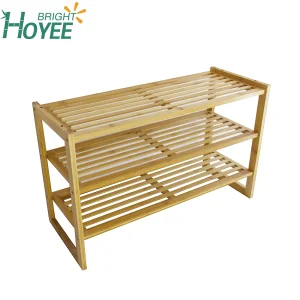
Modern entrance structures require advanced engineering to handle changing humidity levels and heavy physical contact. Leading suppliers use innovative wood-plastic composites (WPC), lightweight honeycomb aluminum, and engineered bamboo. Bamboo, in particular, has become a preferred eco-friendly choice for entryway storage benches, offering high tensile strength and natural moisture resistance. In humid climates, integrating moisture-proof aluminum or custom edge banding is essential to prevent edge swelling and structural separation.
Integrating digital design with lean manufacturing to deliver high-performance entryway and spatial decor solutions.
Foshan LumiFit Furniture Co., Ltd. is a modern furniture enterprise integrating design, development, manufacturing, and global sales. With a strong passion for aesthetics, innovation, and quality living, LumiFit has successfully served customers in more than 100 countries and regions worldwide, earning the trust and recognition of clients both at home and abroad.
At LumiFit, furniture is more than a product — it is an expression of lifestyle, personality, and modern artistic living. Guided by contemporary design philosophy and human-centered thinking, we continuously explore the perfect balance between people, space, and comfort. Every collection reflects a harmonious fusion of functionality, elegance, and modern aesthetics, bringing warmth and inspiration into everyday living.
From front-end product research and creative design to integrated production management and global supply support, LumiFit is committed to delivering high-quality furniture solutions that meet the evolving needs of modern consumers. Our products combine craftsmanship, durability, and stylish innovation, catering to both residential and commercial spaces.
Driven by the mission of “Creating Better Living Spaces,” LumiFit constantly pursues excellence in design and service. We believe that beautiful furniture has the power to transform life, enhance wellbeing, and inspire meaningful connections within every home.
With an international vision and dedication to sustainable growth, Foshan LumiFit Furniture Co., Ltd. continues to bring modern living concepts and refined furniture experiences to customers around the world.
A detailed look at the precision-driven manufacturing line behind LumiFit's contract furniture solutions.
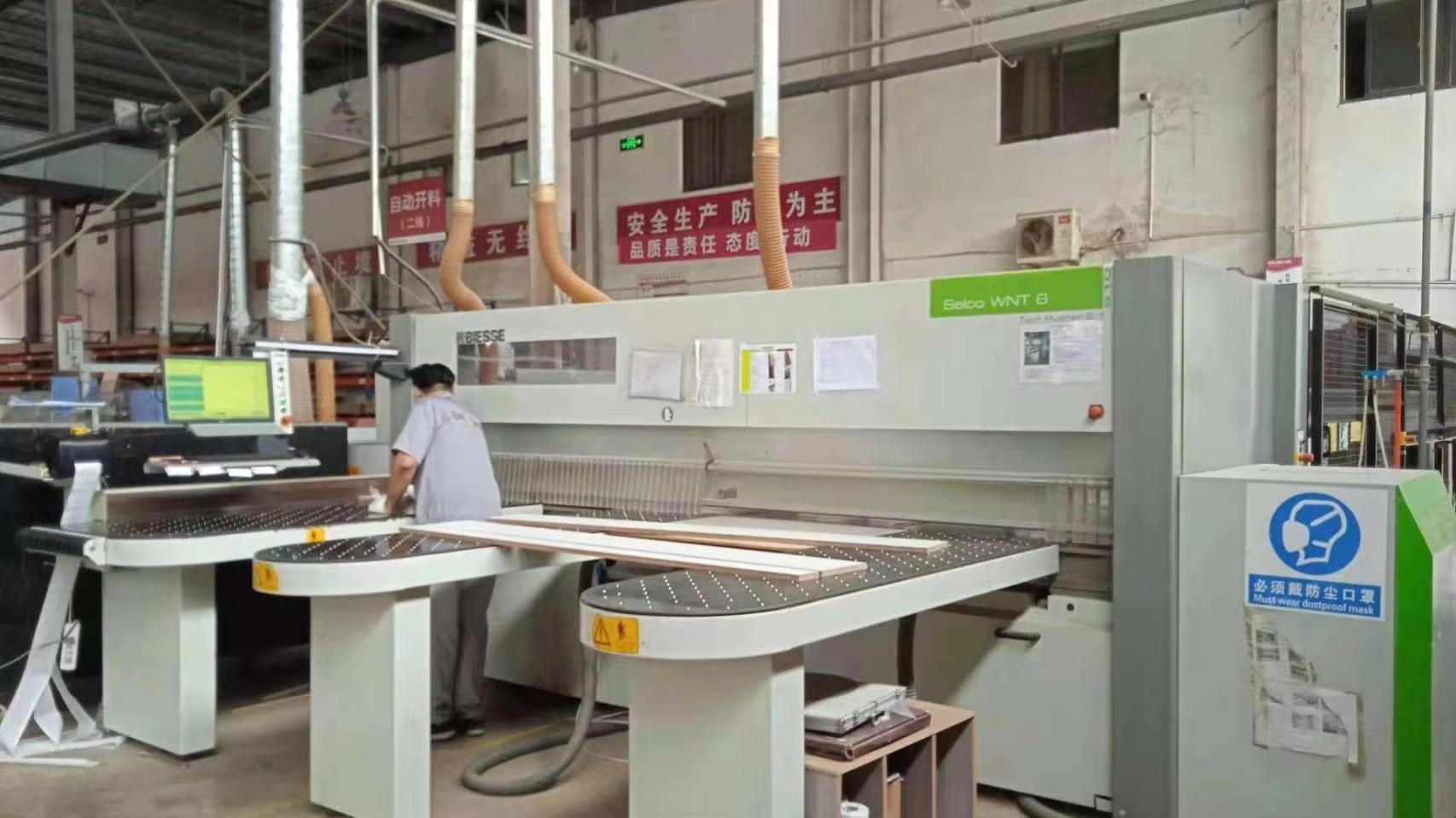
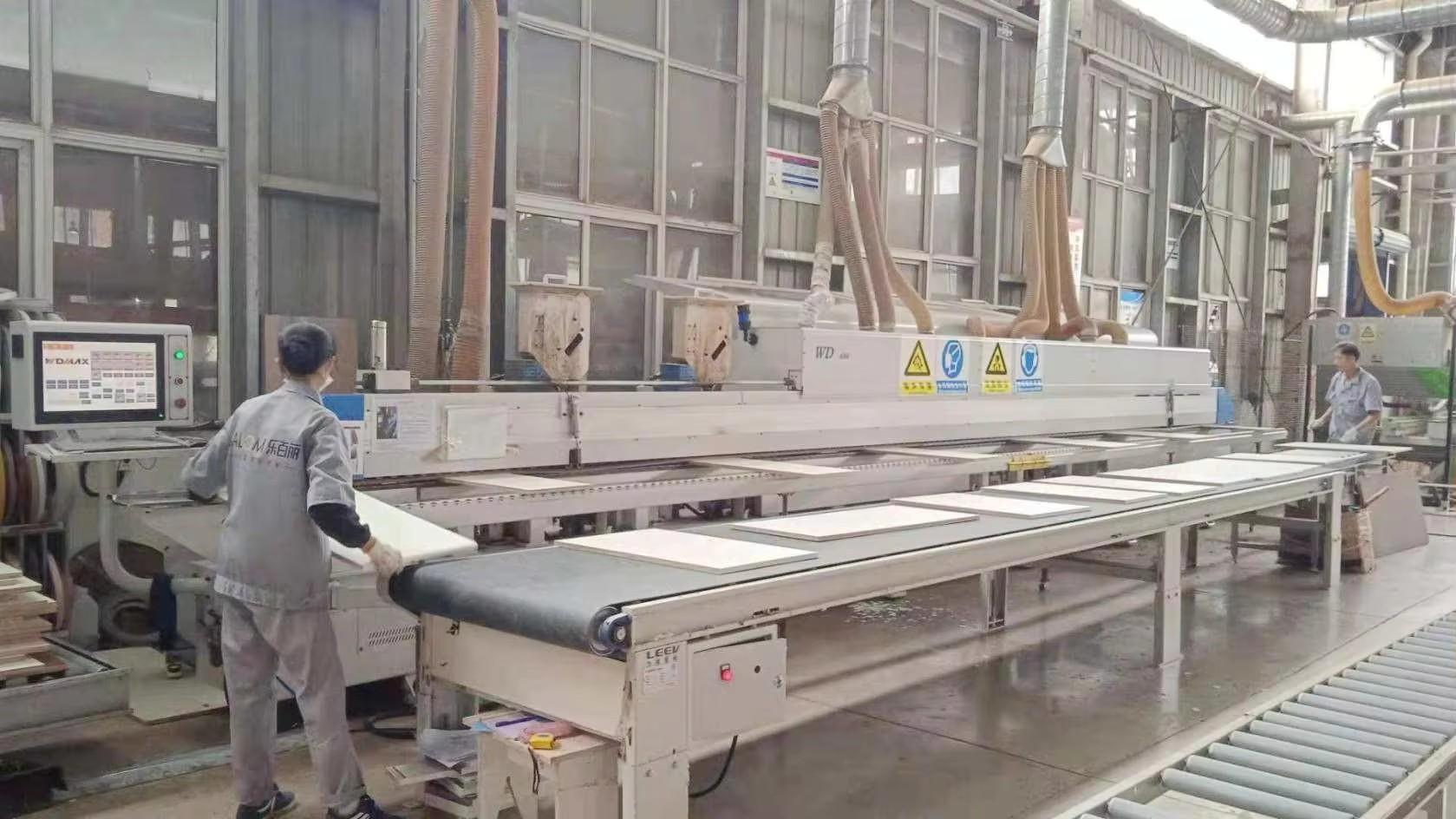
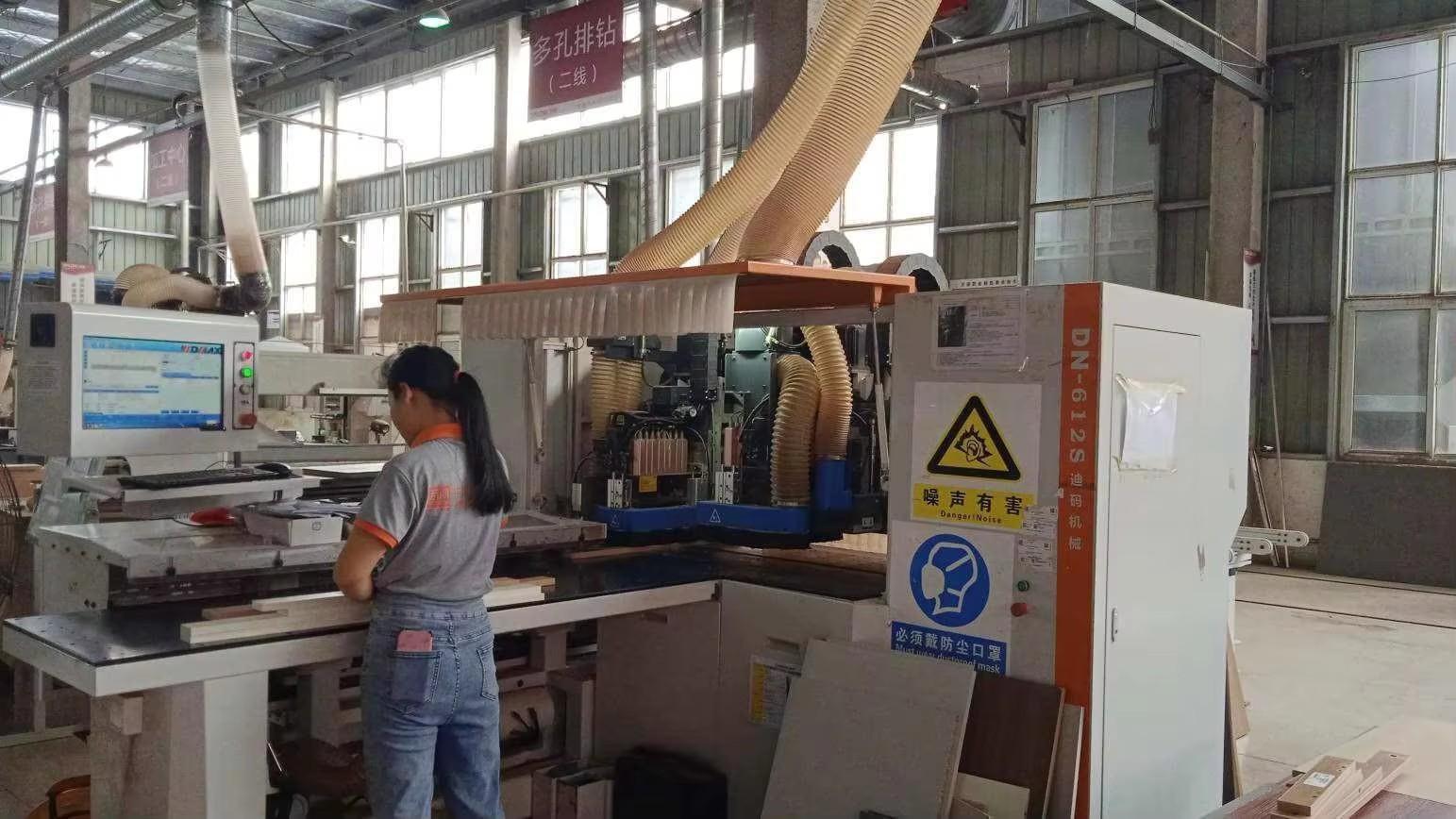
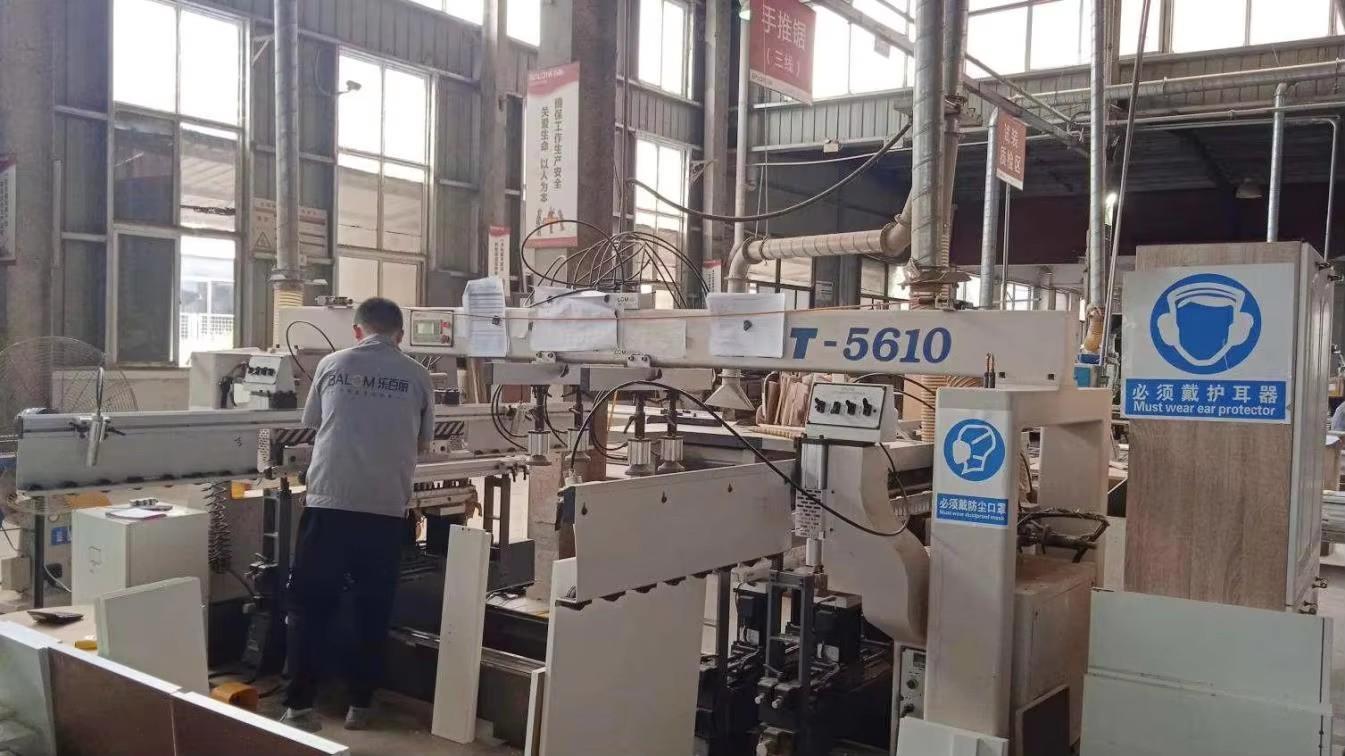
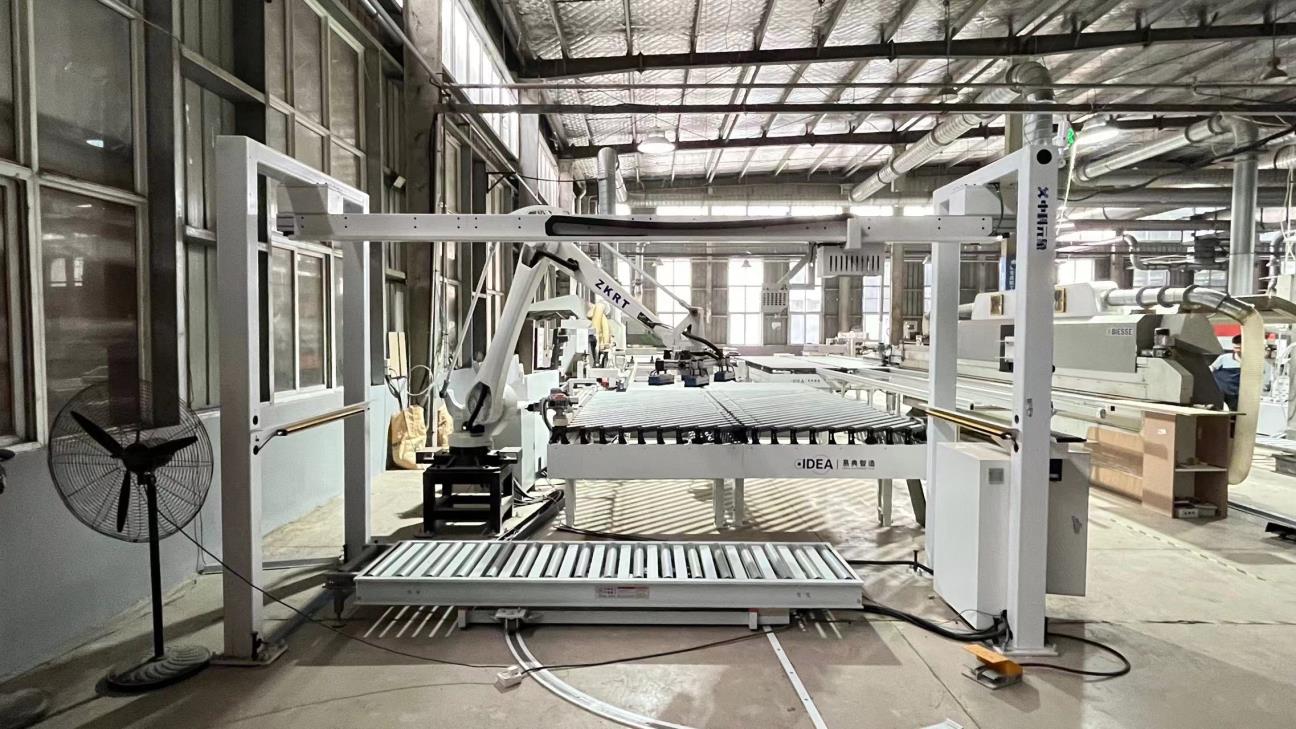
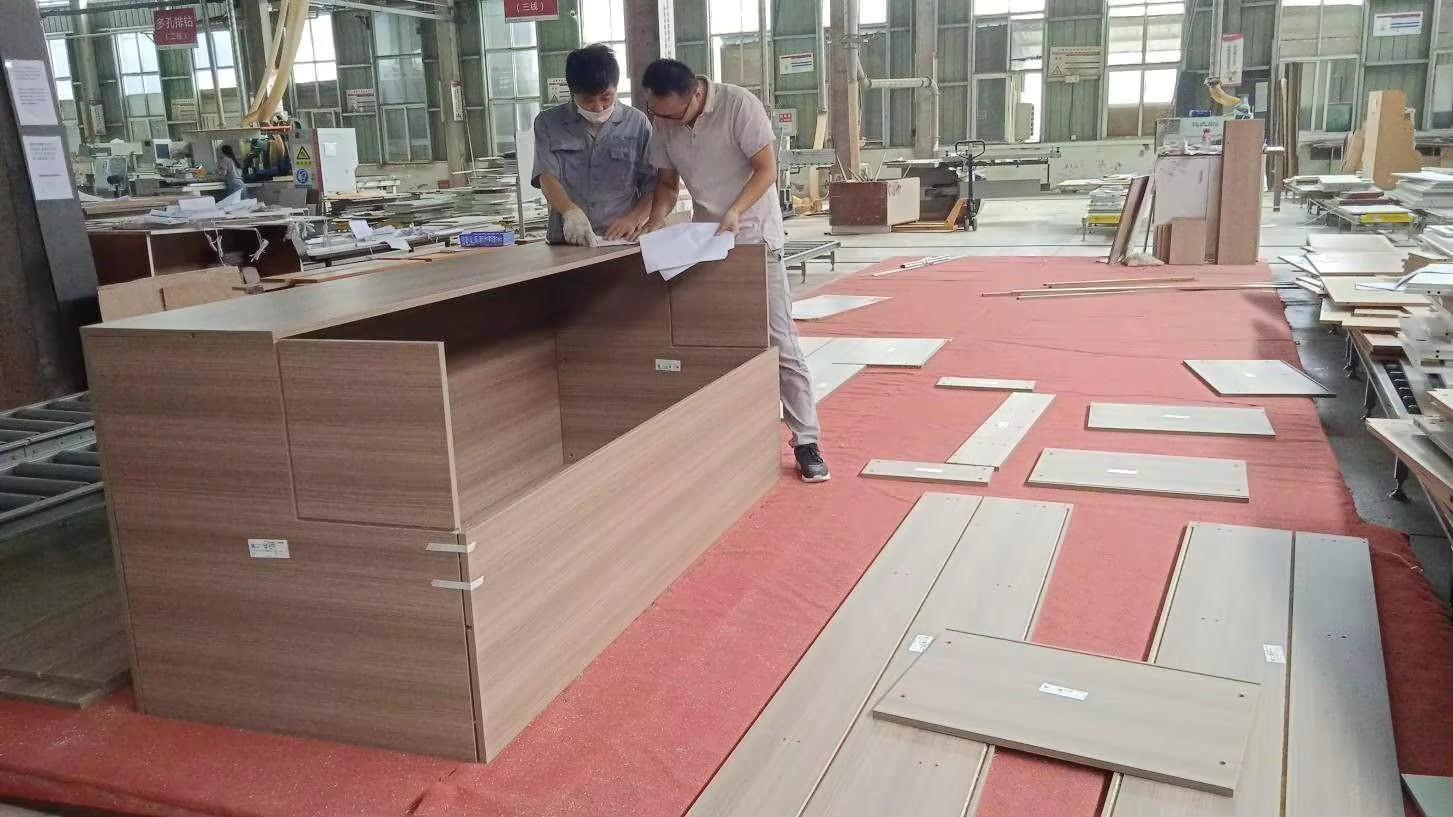
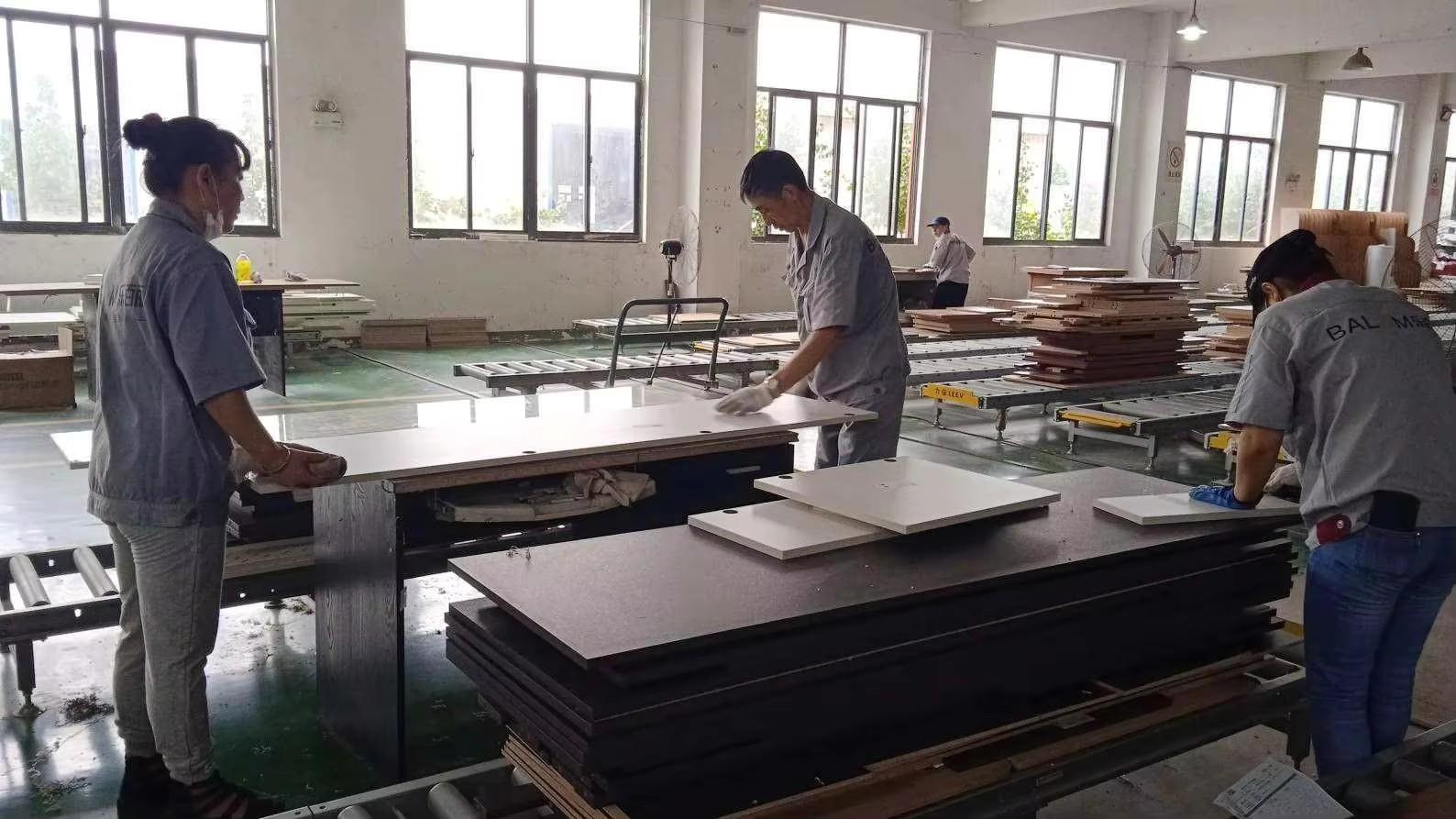
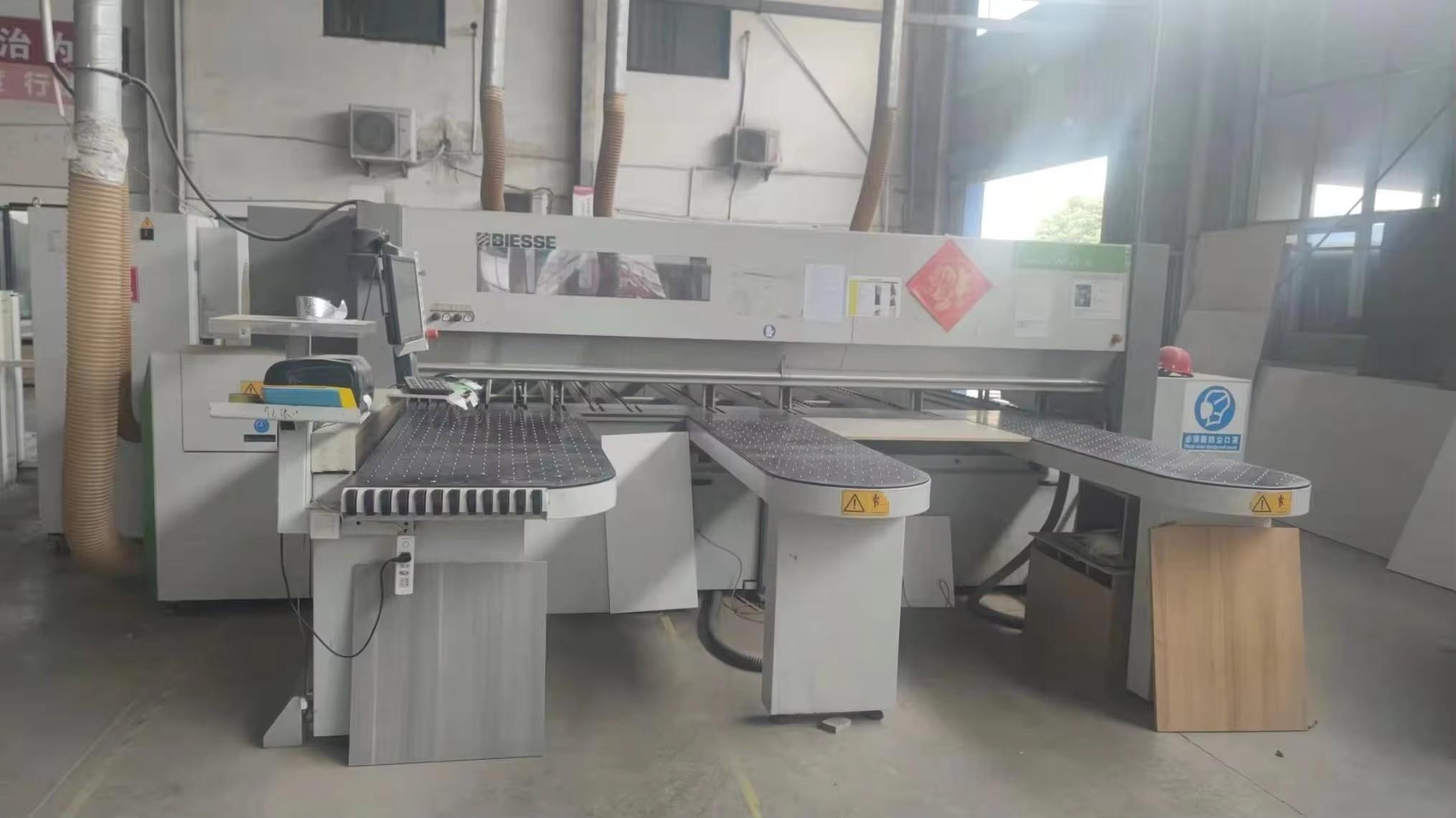
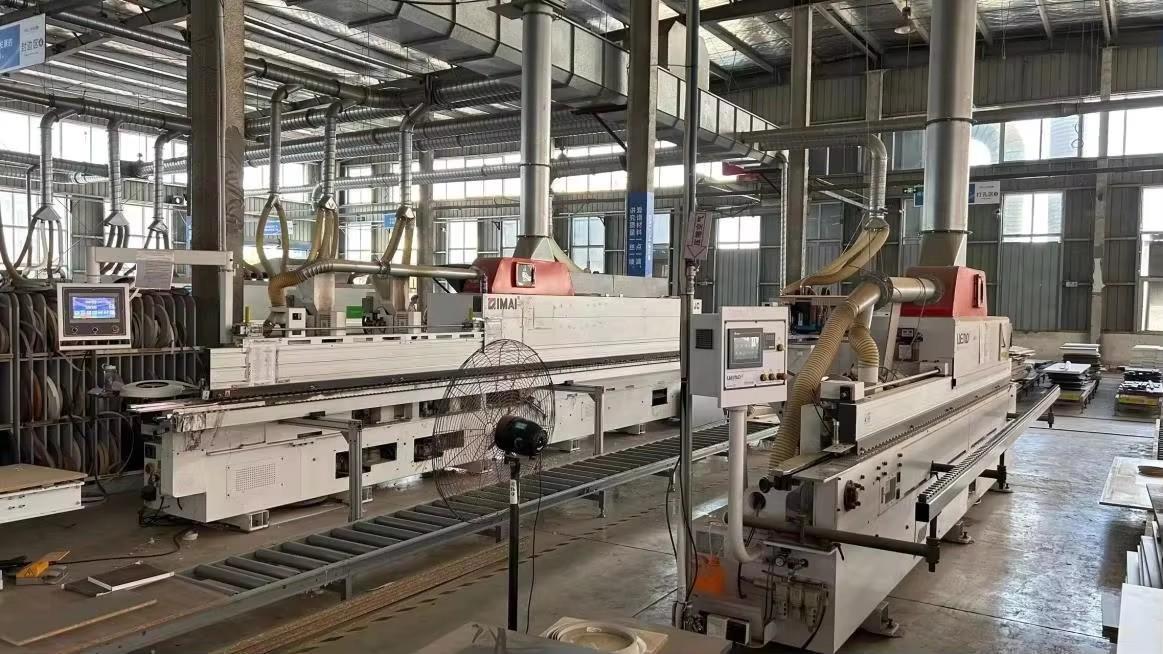
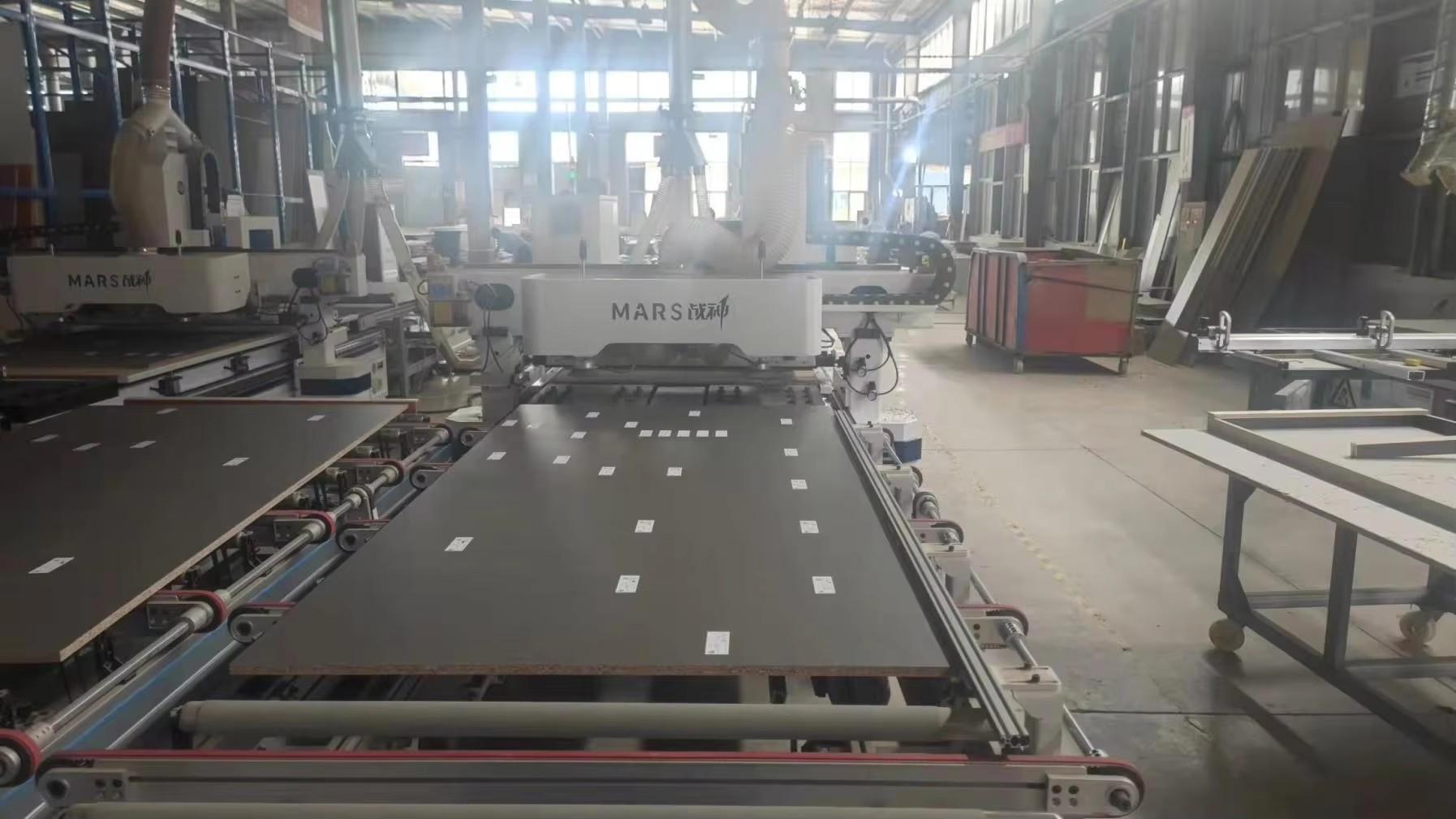
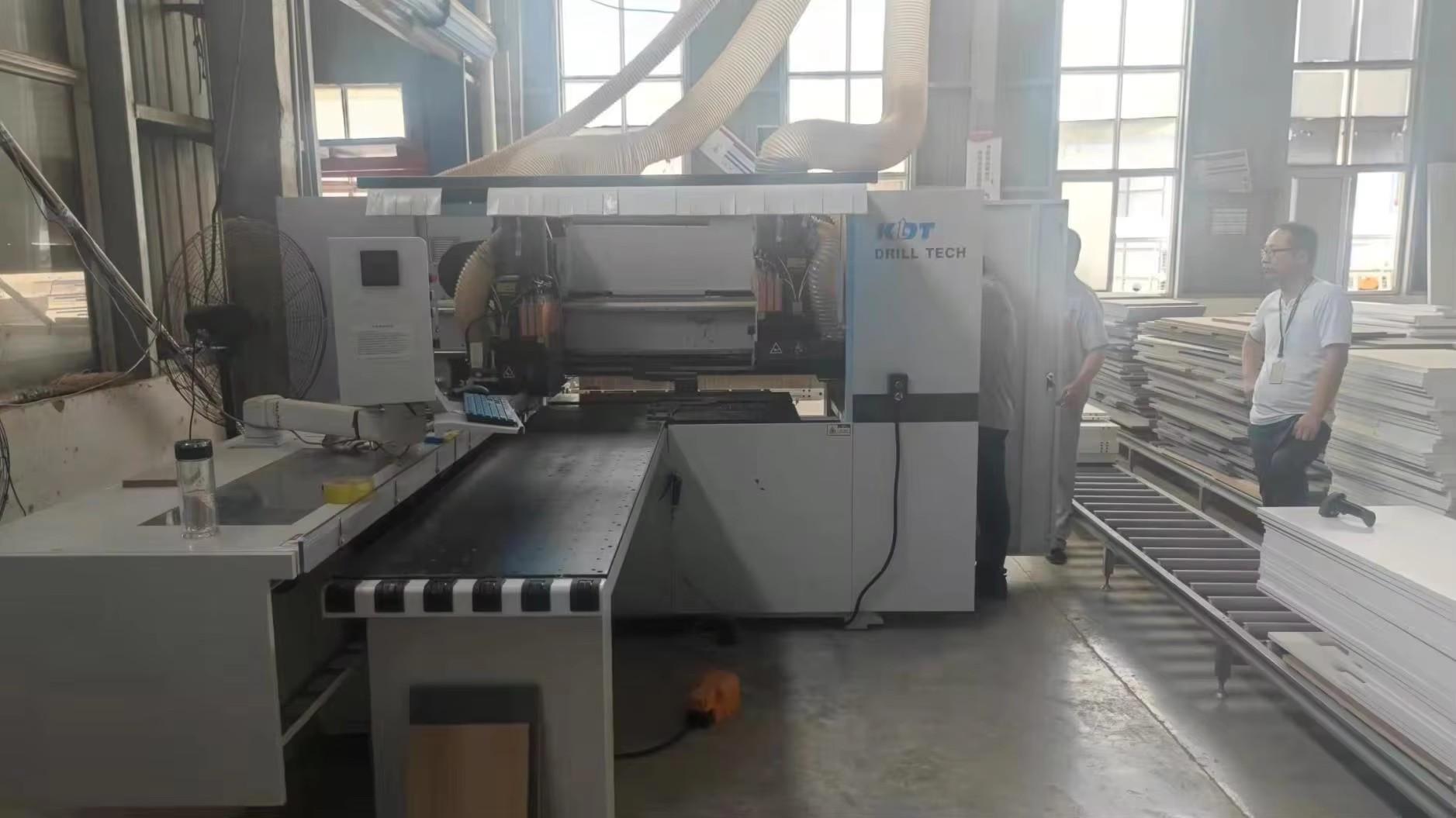
Why Chinese manufacturing hubs, particularly in Foshan, represent the benchmark for global high-volume furniture delivery.
Foshan's specialized ecosystem offers immediate access to raw materials, high-precision hardware suppliers, and advanced surface finish manufacturers. This proximity reduces transit times and helps mitigate external supply disruptions.
Using advanced ERP systems and CNC tooling, manufacturers can quickly switch lines between different configurations. This flexibility supports both small-batch custom runs (ODM) and high-volume OEM orders.
Every step of the process—including modern computer-controlled cutting, high-precision edge banding, CNC drilling, and careful final cleaning—is verified by integrated testing protocols to ensure consistent panel tolerance limits.
Aligning engineering standards and material choices with diverse regional conditions and market requirements.
Different markets have specific expectations for entryway furniture. For example, North American mudrooms require larger storage units, built-in benches, and reinforced cubbies to organize winter outerwear and athletic gear. In contrast, European apartments generally require slim-profile shoe racks and compact wall-mounted coat racks to maximize narrow corridors.
Material choices must also adapt to local climates. In regions with high humidity, such as Southeast Asia, standard particle board is susceptible to swelling and microbial growth. High-performance honeycomb aluminum and moisture-resistant MFC (Melamine Faced Chipboard) with PUR edge banding are preferred in these environments. For colder, dry climates, materials are engineered to resist cracking and warping caused by indoor heating systems.
The entryway furniture sector is shifting toward digital, sustainable, and smart systems. Key developments include:
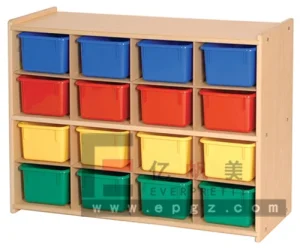
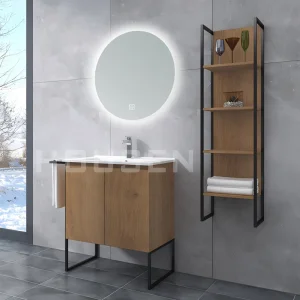
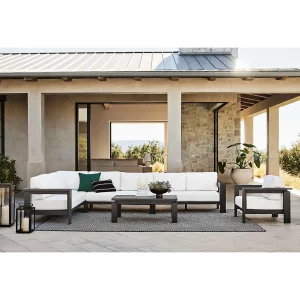
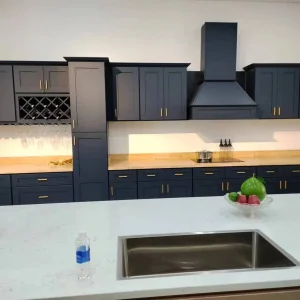
Exploring specialized, high-durability products for commercial, retail, residential, and educational applications.
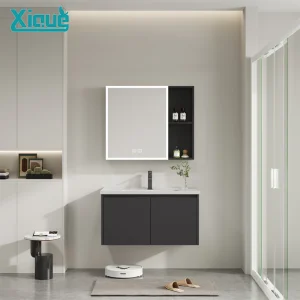
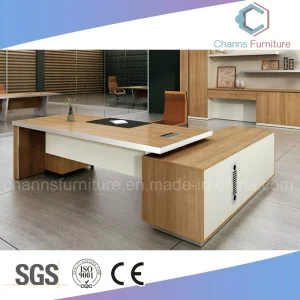
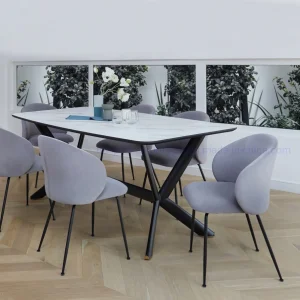
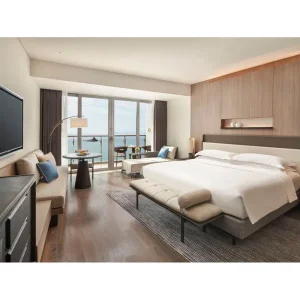
Essential regulatory parameters ensuring safe, compliant global distribution and commercial deployment.
Entering international commercial markets requires strict adherence to local regulatory frameworks. Furniture imported into North America and Europe must meet defined performance and safety standards, particularly concerning chemical emissions and fire safety. Leading B2B furniture manufacturers design and build products to comply with these rules:
| Standard | Regulatory Target | Applicable Region |
|---|---|---|
| CARB Phase 2 / EPA TSCA Title VI | Formaldehyde Emission Limits in Composite Wood | United States / Canada |
| FSC Certification | Responsible Forest Management & Wood Sourcing | Global Markets |
| EN 14749 | Domestic & Kitchen Storage Units Safety Requirements | European Union |
| REACH Directive | Chemical Substances and Finishes Restrictions | European Union |
For B2B buyers, verifying these certifications during factory audits is critical. This verification minimizes customs clearance issues, reduces the risk of product recalls, and ensures safe installation in public and private spaces alike.
Answers to common operational questions regarding material selection, custom production, and logistics management.
To prevent warping, suppliers use high-density MDF, MFC, or honeycomb aluminum structures. Edges are sealed using reactive polyurethane (PUR) hot-melt adhesive edge banding to prevent moisture penetration.
Standard OEM/ODM production lead times range between 35 to 45 days. This timeline starts once technical drawings are approved and deposit requirements are met, allowing sufficient time for quality control checks.
Yes. Modern suppliers offer extensive customization options, including adjusting dimensional footprints, integrating custom hardware configurations, and selecting specific client-designated material finishes.
Products can be manufactured to comply with CARB Phase 2, EPA TSCA Title VI, or European E1/E0 standards. Buyers should request test reports for specific materials during project setup.
Factories use multi-layered packing systems, including customized protective foam corners, high-strength corrugated boxes, and solid wooden crates for heavy components or fragile glass elements.
Typically, standard B2B payment terms are 30% deposit upon order placement via Telegraphic Transfer (T/T), with the remaining 70% balance paid prior to shipment, or via an irrevocable Letter of Credit (L/C).
 LumiFit Furniture