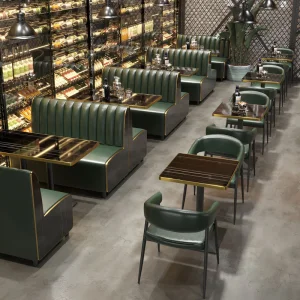
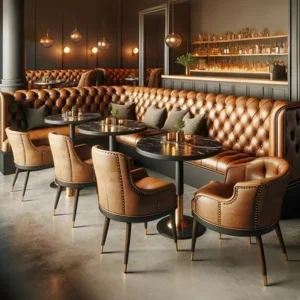
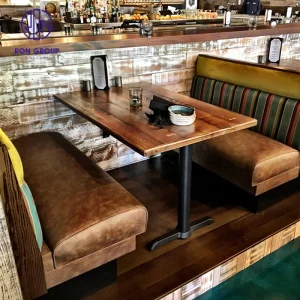
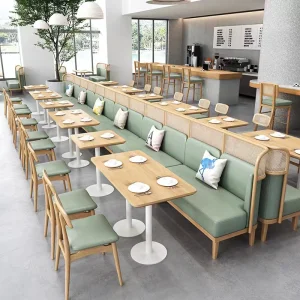
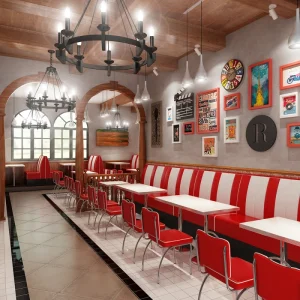
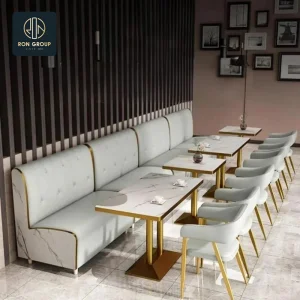
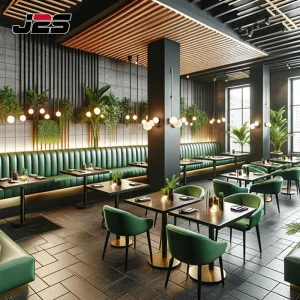
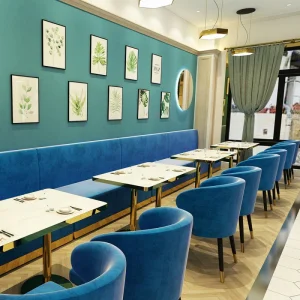
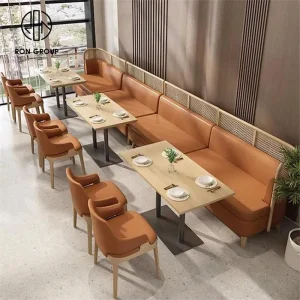
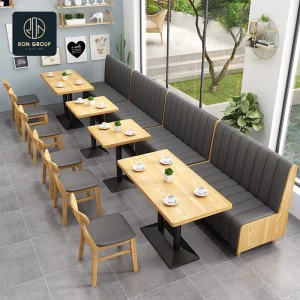
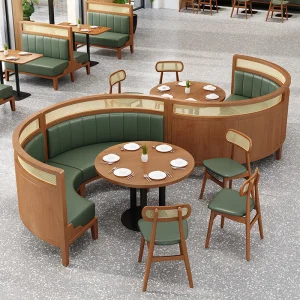
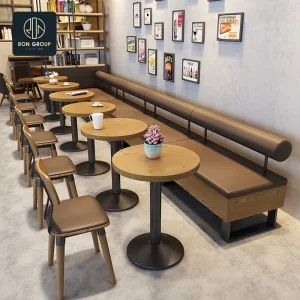
High-traffic components deployed across luxury commercial developments and flagship cafe franchises.
The hospitality structural ecosystem across the State of Kuwait is undergoing an intensive transformation, fundamentally driven by the Kuwait National Vision 2035. This macro-economic initiative prioritizes economic diversification, driving massive investment into mixed-use real estate, luxury retail malls, and lifestyle urban commercial complexes. Key development corridors—stretching from the premium consumer clusters of Salmiya and the Sharq Financial District to the expansive retail architectures of The Avenues Phase IV and Al Asimah Mall—require top-tier commercial restaurant and cafe fit-outs. These structural landscapes depend heavily on high-performance, contract-grade architectural furniture systems that balance visual identity with long-term wear resistance.
Kuwait’s commercial real estate is distinct for its ultra-high revenue density per square meter, particularly within specialized third-wave espresso concept lounges and multi-tier culinary venues. For project developers, franchise operators, and commercial interior procurement directors, furniture is no longer viewed merely as an aesthetic item; it is treated as an operational infrastructure asset. This shift requires suppliers to deliver products that meet international contract-grade parameters, such as the *BIFMA X5.4* standard for public seating and the *EN 16139:2013* structural integrity criteria. Local furniture manufacturing capacities within Kuwait's industrial zones (such as *Shuwaikh Industrial Area* and *Subhan*) are constrained by raw material supply networks and high regional operating overheads. As a result, the market depends extensively on highly integrated industrial manufacturing partners capable of delivering high volume, extreme customizability, and advanced material engineering.
Sourcing commercial furniture for the Gulf Cooperation Council (GCC) geographic zone, specifically Kuwait, demands strict adherence to rigorous environmental engineering metrics. The local climate presents a harsh combination of extreme ambient summer temperatures reaching up to 52°C, intense ultraviolet radiation indexes, fluctuating coastal relative humidity along the Arabian Gulf, and frequent particulate dust storms. These harsh conditions accelerate the degradation of standard commercial materials. Consequently, international design specifications must be comprehensively adapted to ensure structural longevity.
High-resiliency (HR) molded foam cores (density ≥ 55 kg/m³) with hydrophobic cell matrix profiles to prevent atmospheric sagging in high-humidity zones.
All load-bearing metal structures use aerospace-grade 304/316 stainless steel or multi-stage electrostatically applied thermosetting TGIC powder-coat finishes.
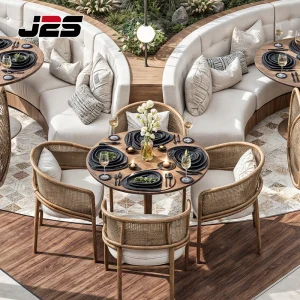
Outdoor synthetic rattans and high-density polyethylenes (HDPE) include specialized hindered amine light stabilizers (HALS) to eliminate polymer embrittlement.
For institutional buyers in Kuwait, the choice between sourcing locally or partnering with an advanced global manufacturing powerhouse like Foshan LumiFit Furniture Co., Ltd. involves analyzing total cost of ownership (TCO) and supply chain risk. While local shops offer proximity, they often face structural limitations in high-precision fabrication, repeatable CNC quality control, and scalable cost structures for large-scale projects.
Foshan LumiFit Furniture Co., Ltd. resolves these challenges by combining elite contemporary design with centralized industrial scale. Operating out of Foshan, the world's premier commercial furniture manufacturing hub, LumiFit integrates the complete upstream and downstream supply ecosystem. This integration enables the brand to offer high-end custom designs, structural material cross-matching, and scalable volume production at optimized prices. These advantages directly benefit enterprise developments across Kuwait, such as luxury hotels, airport lounges, and large-scale quick-service restaurant (QSR) rollouts.
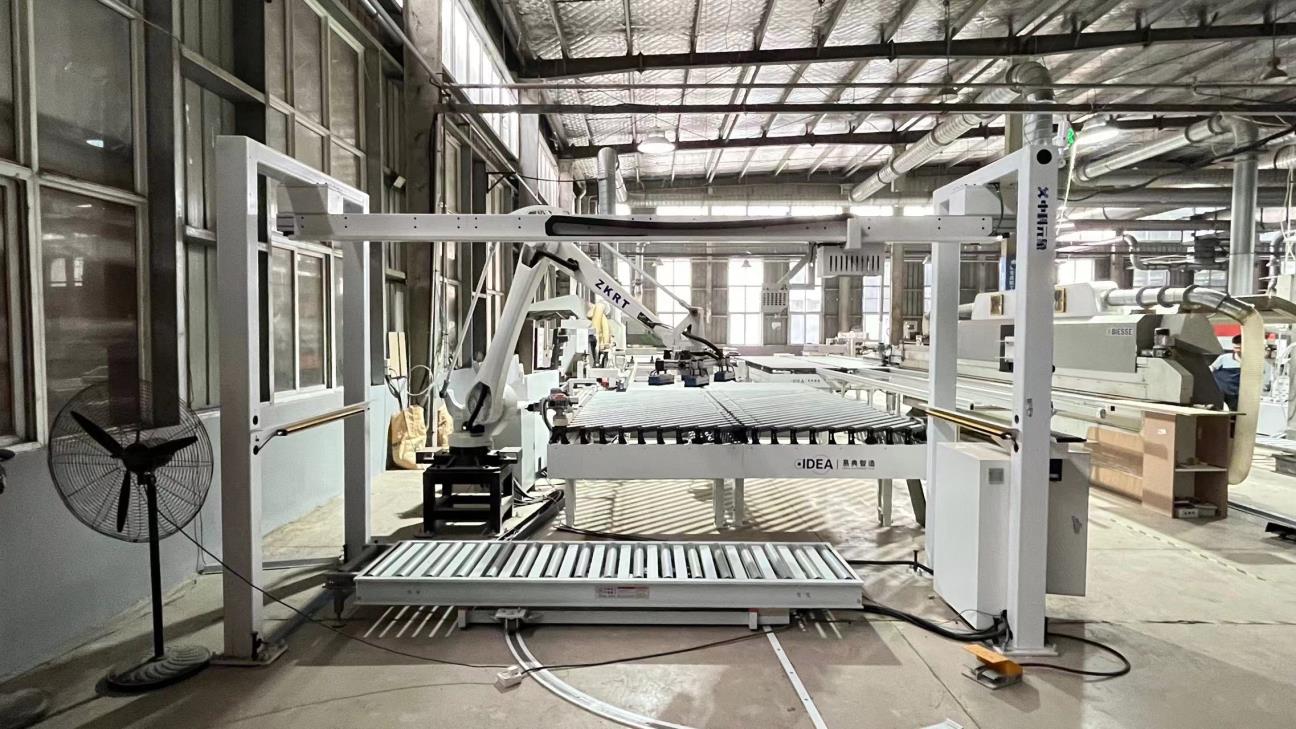
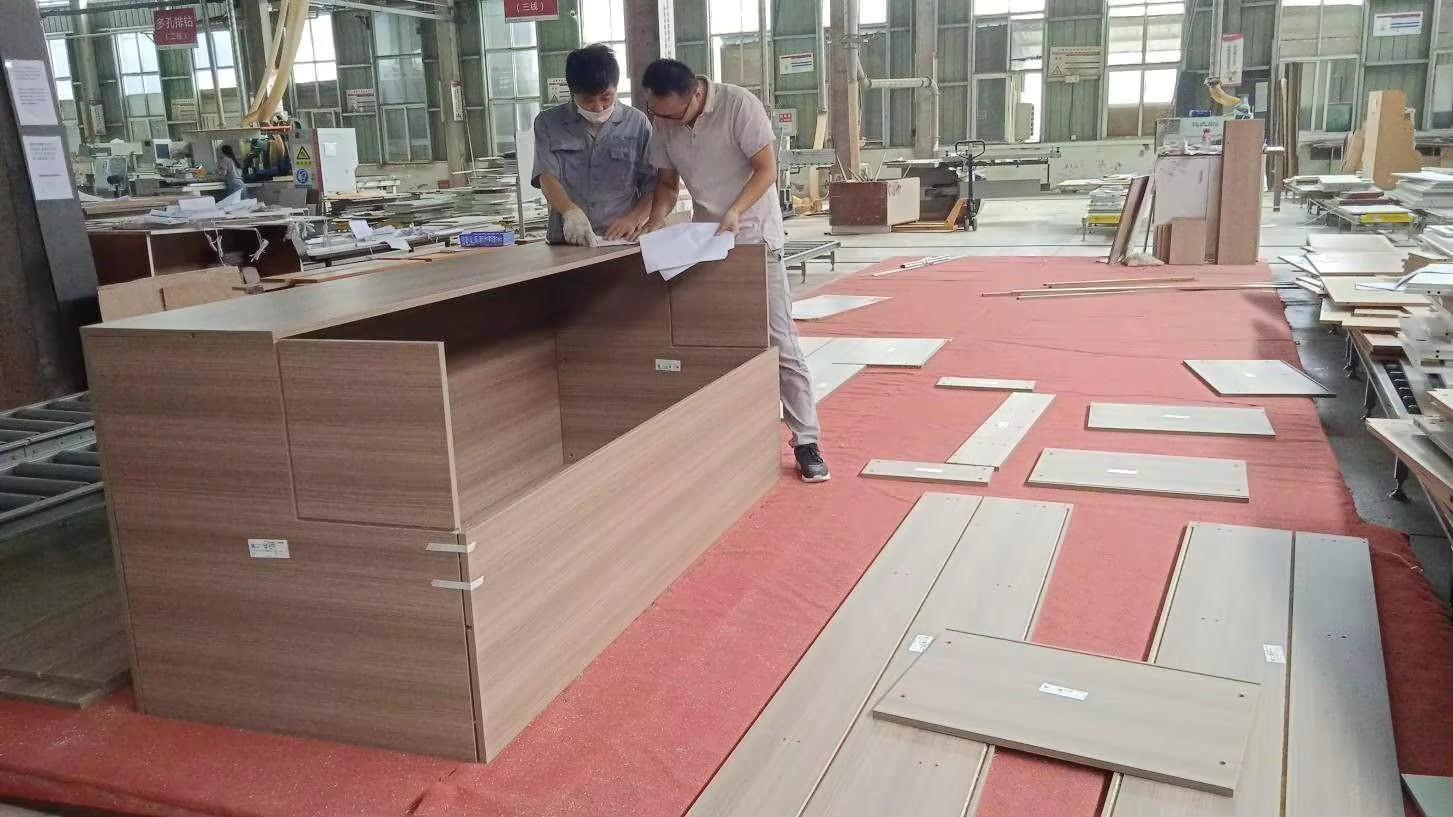
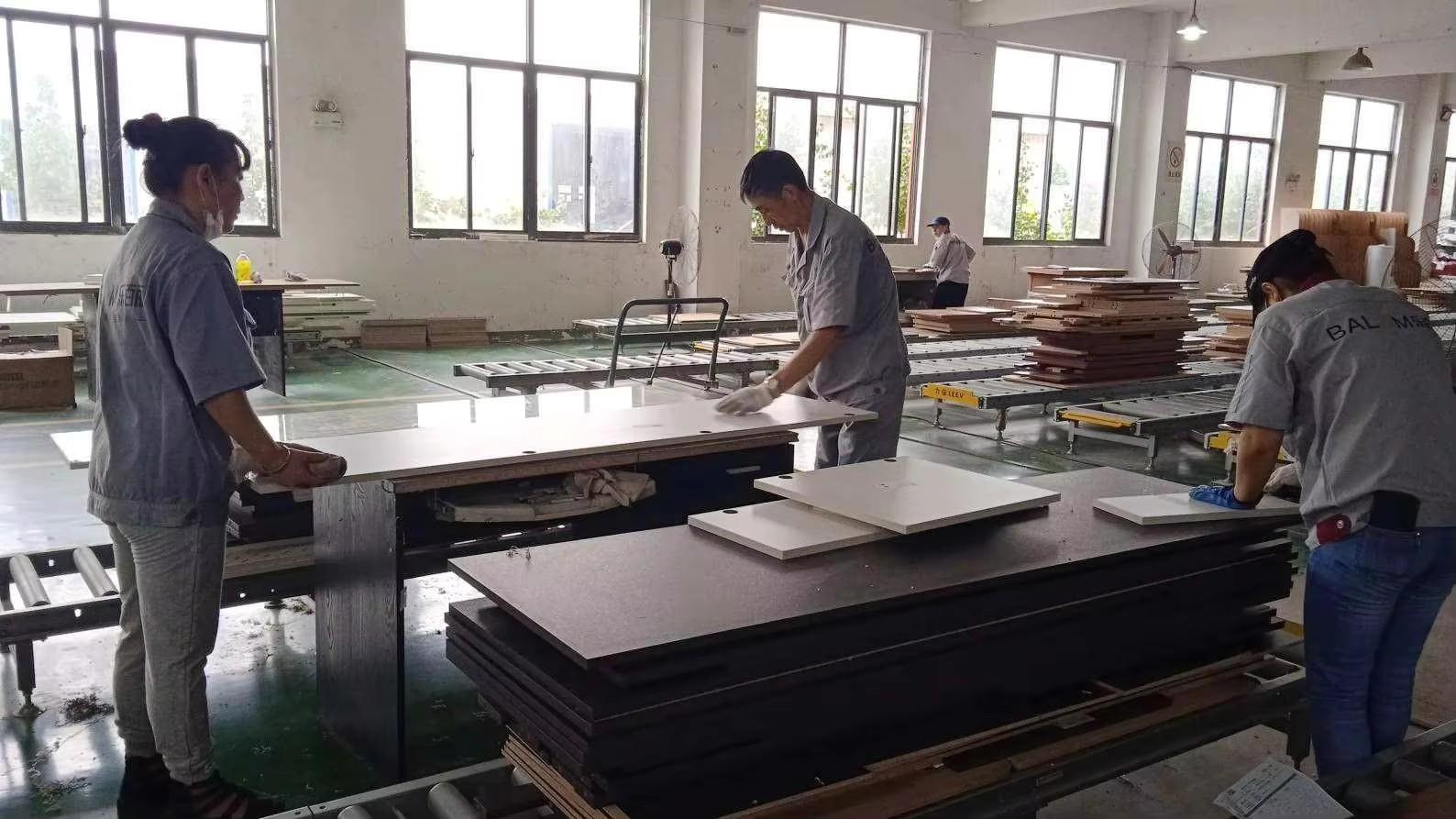
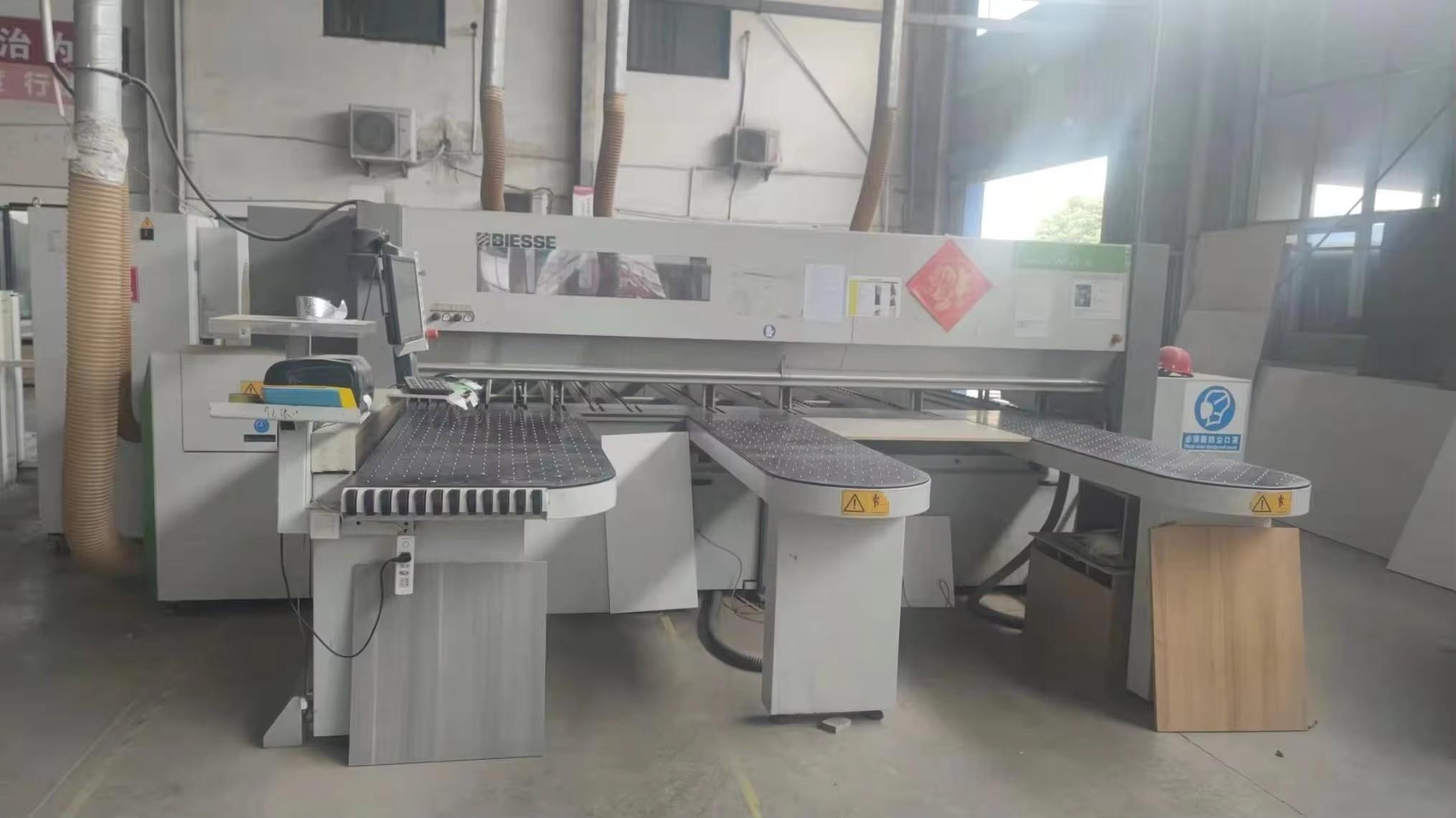
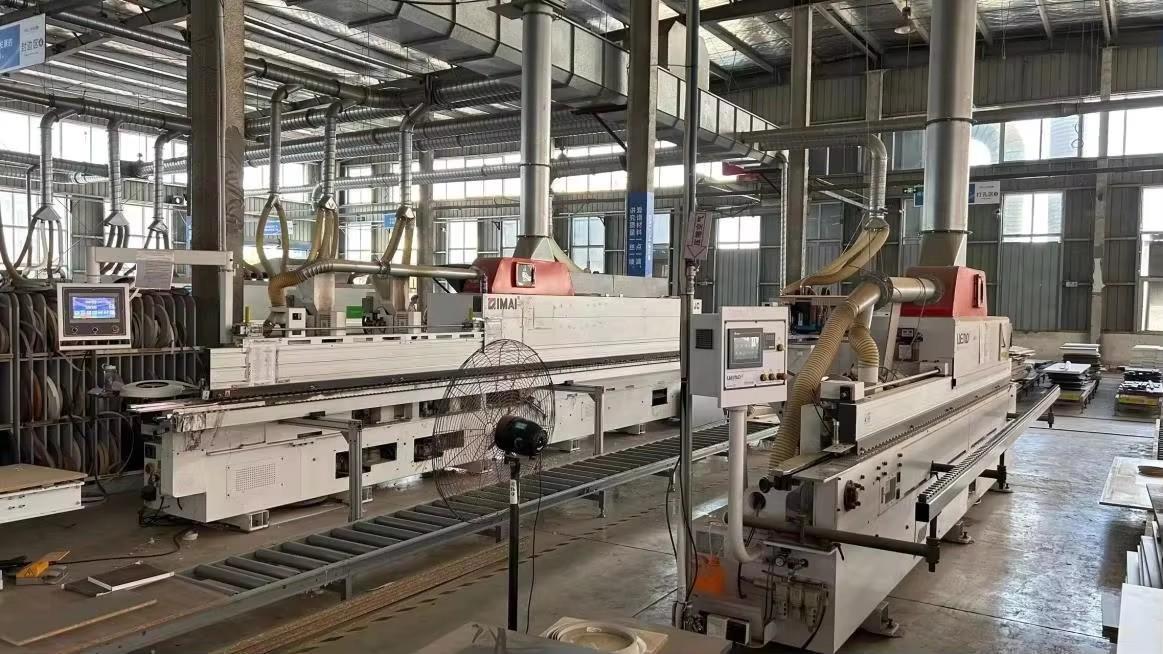
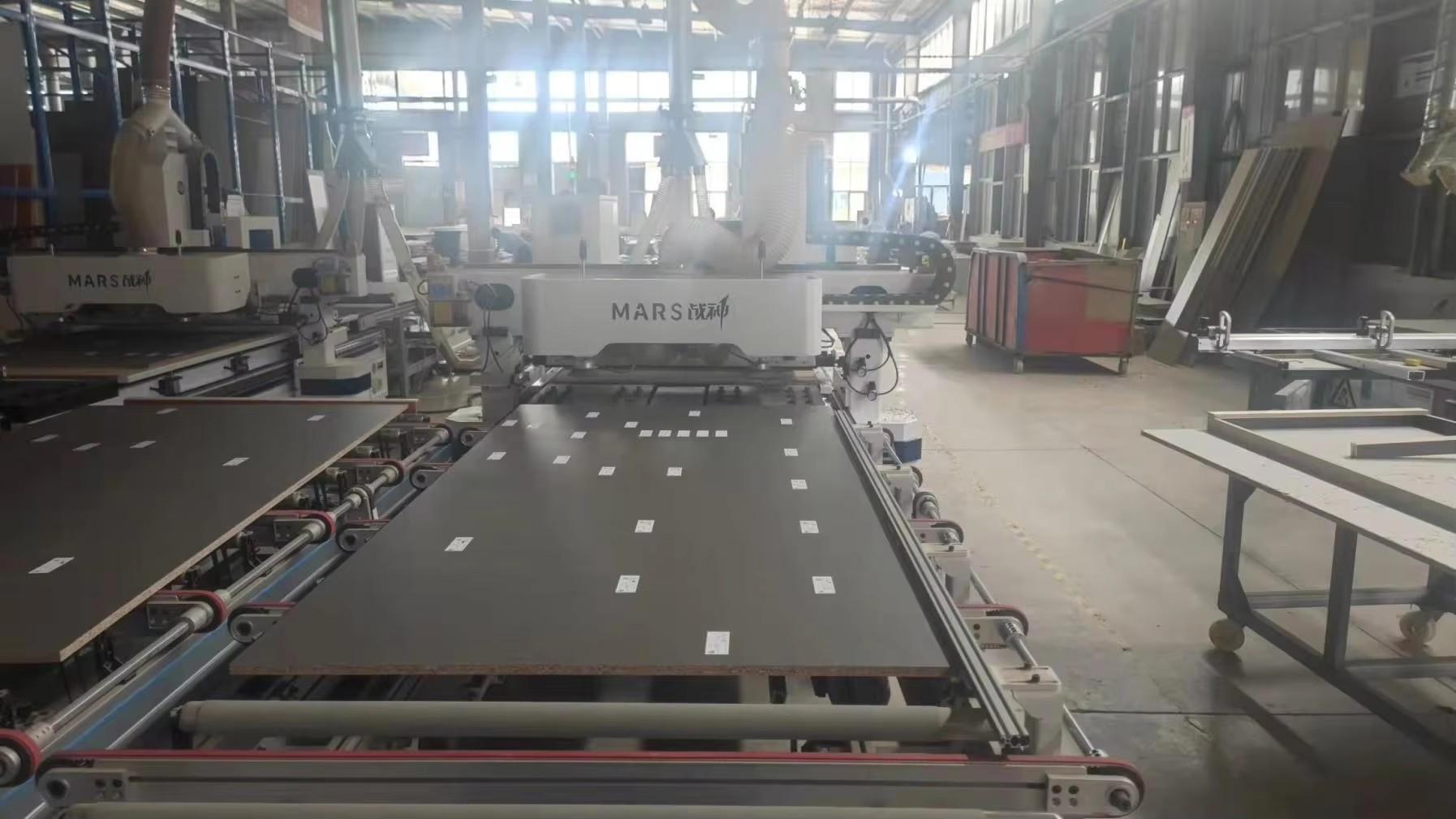
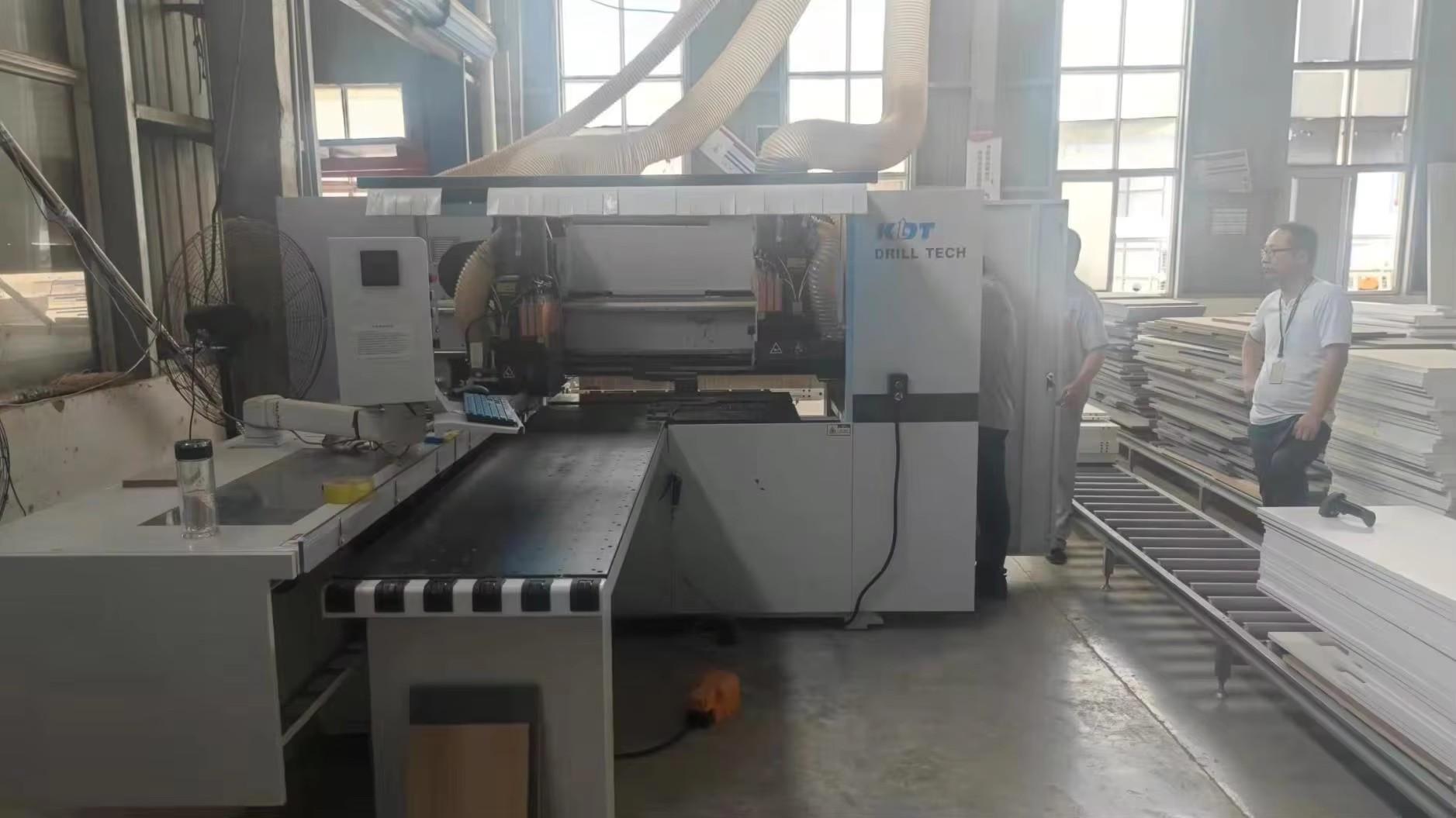
At Foshan LumiFit Furniture Co., Ltd., industrial furniture manufacturing relies on structural accuracy, machine automation, and rigorous material quality controls. The standard workflow transitions raw timber, engineered panels, and raw metal alloys into durable architectural furniture. Each step is closely tracked using specialized equipment and precise engineering protocols:
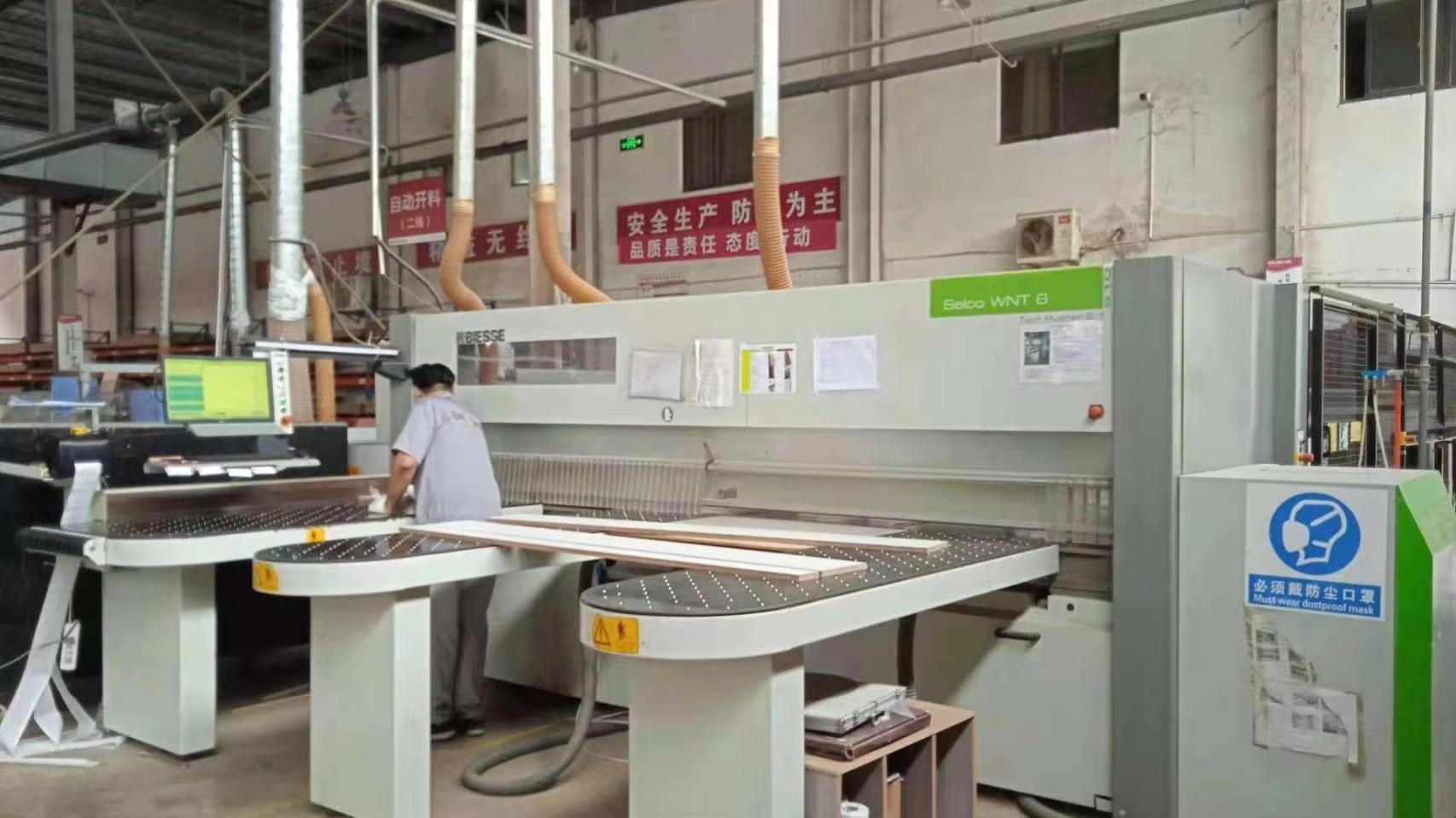
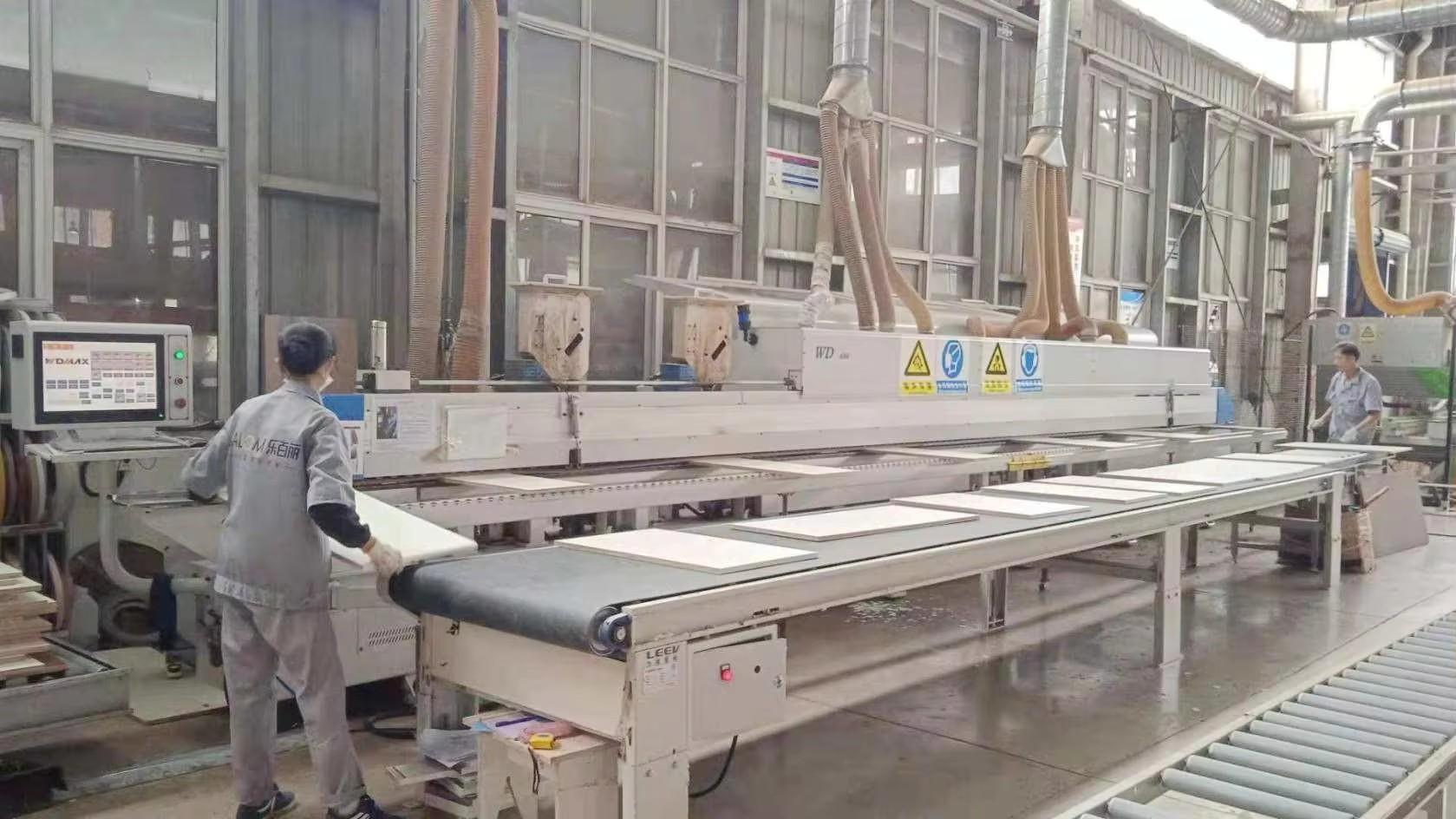
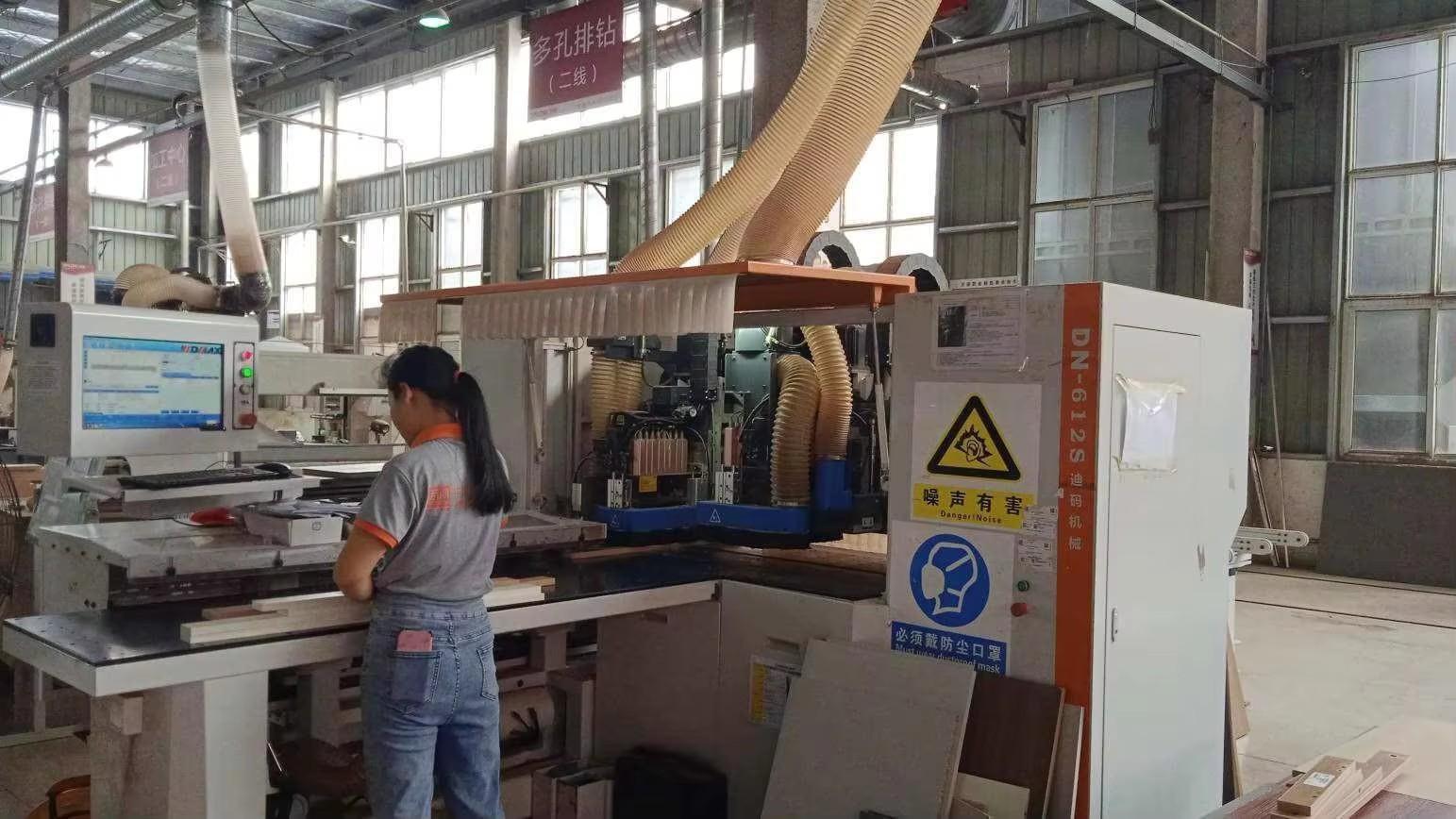
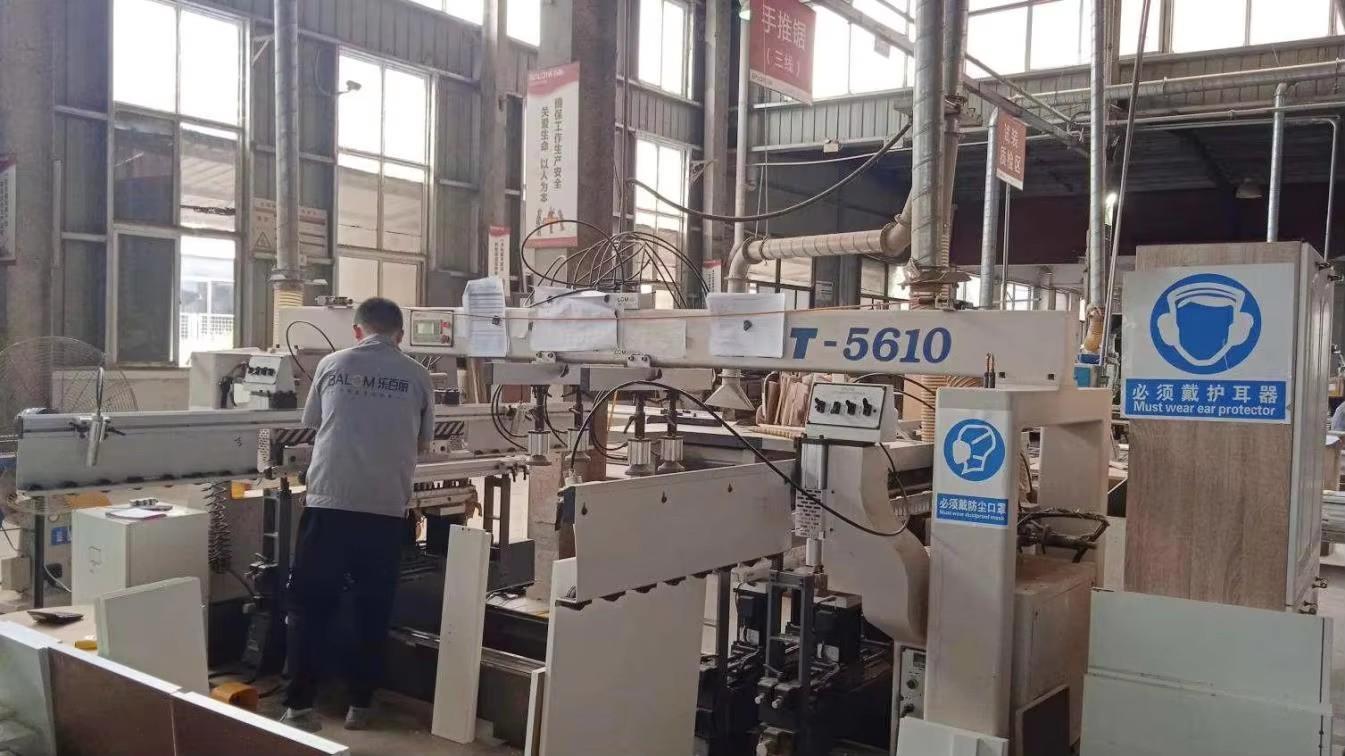
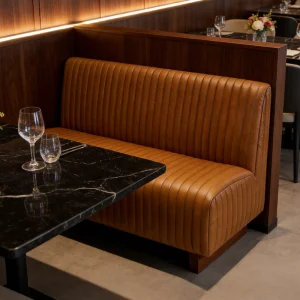
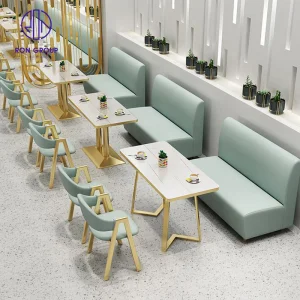
Optimizing hospitality spaces in Kuwait’s premium retail zones requires an intentional balance between guest comfort and seat density. Utilizing custom multi-configurational booth seating systems allows spatial designers to unlock up to 30% more usable floor space compared to freestanding tables and chairs alone. This structural approach helps maximize revenue per available square meter.
In commercial spaces like *Al-Hamra Tower* or *The Gate Mall*, interior layouts must adapt to varying dining demographics. Integrating flexible linear wall-benches alongside modular U-shaped booths allows quick reconfigurations to accommodate everything from single business diners to large family gatherings. To ensure long-term durability, the internal structural frameworks are built with kiln-dried solid timber reinforced by steel corner gussets. This engineering prevents the frame failure or loose joints common in high-traffic commercial environments.
Heavy-duty, contract-grade restaurant and lounge configurations engineered for high-volume commercial venues across Kuwait.
Partner with Foshan LumiFit Furniture Co., Ltd. for engineering shop drawings, material optimization, and reliable high-volume manufacturing.
Send Inquiry Now LumiFit Furniture